There’s something uniquely unsettling about discovering a roof problem. I still remember the moment years ago when a friend called me after noticing dark water stains spreading across his bedroom ceiling during a rainstorm. What started as a “minor leak” turned into a significant repair that could have been prevented with earlier attention.
Roofs are designed to protect us quietly for decades, but when issues arise, they rarely resolve themselves. In 2026, with unpredictable weather patterns and rising repair costs, recognizing warning signs early can save homeowners thousands of dollars and prevent extensive damage to their homes. This guide outlines the most critical indicators that your roof needs immediate professional attention, along with practical insights to help you act wisely.
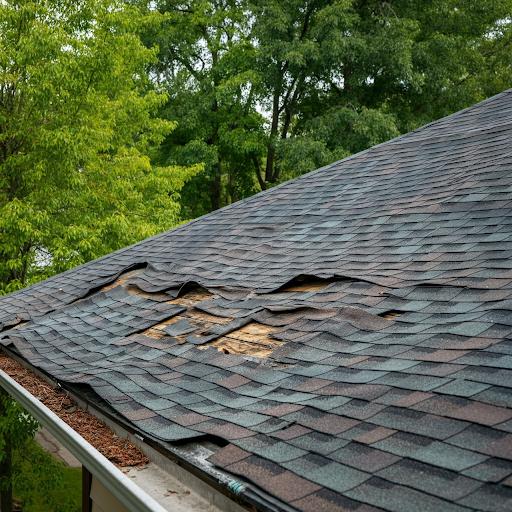
1. Visible Shingle Damage or Missing Shingles
One of the most obvious yet frequently overlooked signs is damaged or missing shingles.
Look for curling, cracking, buckling, or granules washing down into gutters. After storms, entire sections of shingles may be missing. In 2026, many roofs still use asphalt shingles, which typically last 20–30 years. When you see widespread damage, it often signals that the roof is reaching the end of its reliable lifespan or has suffered recent weather impact.
Why it matters: Missing shingles expose the underlayment and deck to moisture. What begins as cosmetic damage can quickly lead to leaks and structural rot.
Action step: Document the damage with photos and schedule a professional inspection within days, especially after severe weather.
2. Water Stains or Ceiling Damage Indoors
Interior water stains, particularly on ceilings or around chimneys and exterior walls, are serious red flags. These may appear yellowish, brownish, or simply as damp spots.
Even small stains can indicate larger problems hidden in the attic or roof structure. I’ve seen cases where homeowners ignored minor ceiling discoloration, only to discover extensive mold growth and damaged insulation months later.
Why immediate attention is crucial: Water intrusion can compromise structural integrity and create health hazards through mold. Early intervention often limits damage to the roof itself rather than requiring costly interior repairs.
3. Granules in Gutters or Downspouts
If you notice large amounts of black or colored granules collecting in your gutters, this is a classic sign of shingle deterioration. These granules protect the shingles from UV damage and weather. When they wash away in significant quantities, your roof is losing its protective layer.
What to watch for: While some granule loss is normal over time, excessive amounts — especially in localized areas — deserve prompt professional evaluation.
4. Sagging or Uneven Roof Lines
A roof that appears to sag or dip in certain areas is a major structural concern. This can result from water damage weakening the decking, overloaded weight from snow or debris, or poor original construction.
Risk level: High. Sagging often indicates that the roof deck may be compromised. This requires immediate professional assessment to prevent potential collapse or extensive water intrusion.
5. Chimney and Flashing Issues
Flashing — the metal seals around chimneys, vents, skylights, and roof valleys — is a common failure point. Look for rust, gaps, or separation from the roof surface. Crumbling chimney mortar or leaning chimneys also warrant urgent attention.
Why it’s serious: These transition areas see the highest water exposure. A failing flashing detail can channel water directly into your home’s structure.
6. Excessive Moss, Algae, or Lichen Growth
While some moss growth is common in shaded, damp climates, thick or rapidly spreading coverage can trap moisture against shingles and accelerate deterioration. In 2026, many homeowners are dealing with increased organic growth due to changing weather patterns.
Important distinction: Small amounts may be manageable with cleaning, but heavy growth often signals underlying moisture problems that need professional diagnosis.
7. Attic Issues Visible from Inside
When safe to do so, carefully inspect your attic during daylight:
- Daylight visible through the roof boards
- Dark streaks or water stains on rafters
- Musty odors or visible mold
- Soft or spongy decking when gently probed (never walk on it directly)
These interior clues often reveal problems before they become obvious from the ground.
8. Frequent Leaks or Recurring Repairs
If you’ve needed roof repairs multiple times in recent years, this pattern usually indicates systemic issues rather than isolated problems. Continuing to patch a failing roof is often more expensive in the long run than a full replacement.
9. Pest Activity Around the Roof
Unusual bird or insect activity, or evidence of rodents in the attic, can signal gaps or damage that pests are exploiting. These openings often worsen quickly.
Professional Inspection: When and How
Many warning signs benefit from professional evaluation. A qualified roofing contractor can:
- Use drones for safe, detailed assessment
- Perform moisture testing
- Provide written reports with photos and recommendations
- Distinguish between repairable issues and those requiring replacement
In 2026, many reputable companies offer free or low-cost initial inspections, particularly after major storms.
The Cost of Delay
Ignoring roof problems almost always leads to more expensive outcomes. A small leak today can become:
- Extensive ceiling and drywall repairs ($5,000–$15,000+)
- Mold remediation and insulation replacement
- Structural damage requiring major reconstruction
- Higher insurance premiums or denied claims
Early action typically saves significant money and preserves your home’s integrity.
Prevention and Regular Maintenance
The best approach combines vigilance with proactive care:
- Inspect your roof twice yearly (spring and fall)
- Keep gutters and downspouts clean
- Trim overhanging tree branches
- Monitor after major weather events
- Consider professional maintenance programs
Making Smart Decisions
When warning signs appear, resist the temptation to delay or choose the cheapest temporary fix. A professional assessment provides clarity on whether targeted repairs will suffice or if replacement offers better long-term value.
Many homeowners find peace of mind by getting multiple opinions and understanding both immediate costs and projected future expenses.
Final Thoughts
Your roof is your home’s primary defense against the elements. Recognizing warning signs early demonstrates responsible homeownership and can prevent small issues from becoming major financial burdens.
While it’s natural to hope problems will resolve themselves, experience shows that prompt attention to roof concerns almost always leads to better outcomes — both financially and for your family’s peace of mind.
If you’ve noticed any concerning signs with your own roof, I encourage you to schedule a professional inspection soon. Feel free to share details about your roof’s age, material, or specific issues you’re observing, and I’d be glad to offer more targeted guidance based on common scenarios homeowners face in 2026.