Choosing between a fixed-rate and an adjustable-rate mortgage is one of the most important financial decisions you’ll make when buying a home. I remember sitting at my kitchen table years ago, comparing loan options and feeling the weight of that decision. Like many buyers, I worried about locking in a rate that might be too high or taking a risk with an adjustable loan that could rise unexpectedly.
In 2026, with interest rates still fluctuating based on economic conditions, understanding the real differences between fixed-rate mortgages (FRMs) and adjustable-rate mortgages (ARMs) has never been more important. This comprehensive guide will help you navigate the choice with clarity, confidence, and a long-term perspective.
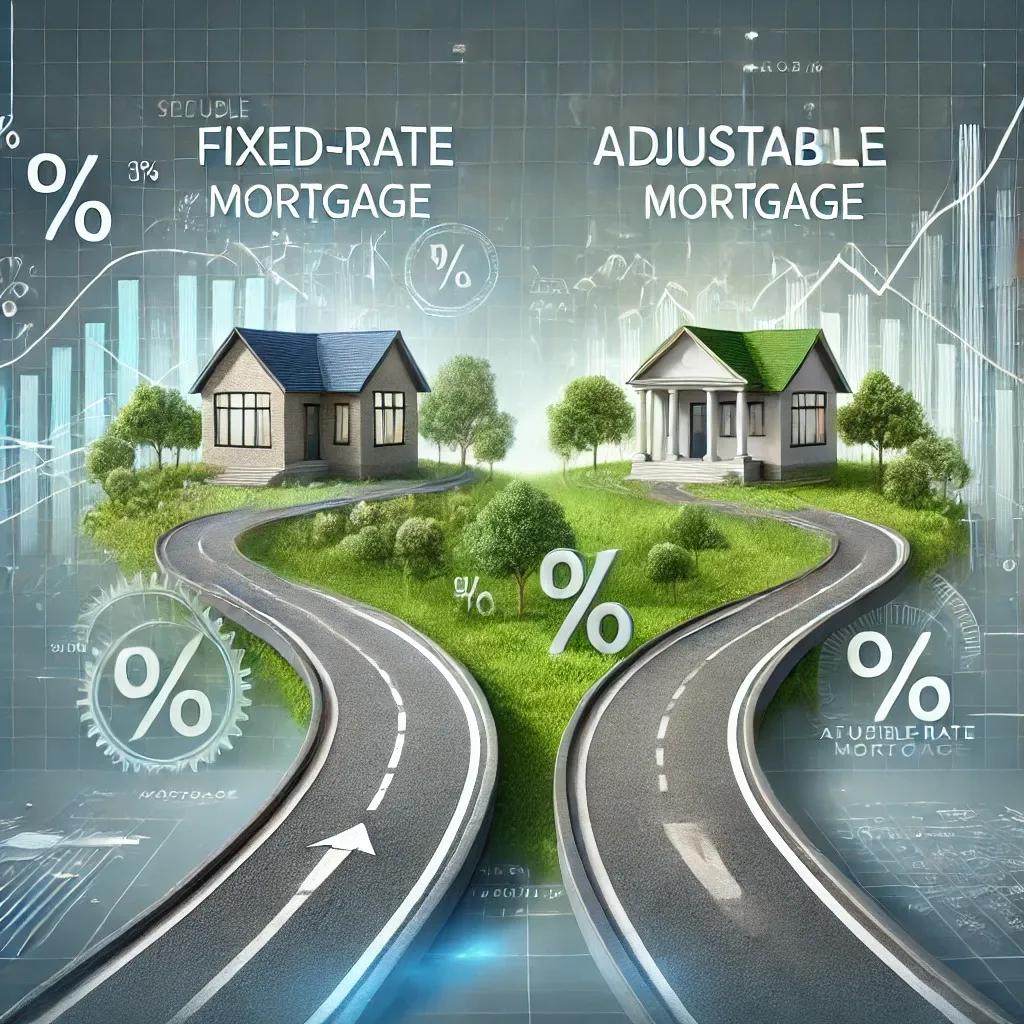
Understanding the Two Mortgage Types
Fixed-Rate Mortgages With a fixed-rate mortgage, your interest rate remains constant throughout the entire loan term — typically 15 or 30 years. Your monthly principal and interest payment stays the same, providing predictability and stability.
Adjustable-Rate Mortgages (ARMs) An adjustable-rate mortgage starts with a lower introductory rate that remains fixed for an initial period (commonly 5, 7, or 10 years). After that, the rate adjusts periodically based on market conditions and a specific financial index.
The core difference comes down to certainty versus flexibility — and understanding which better aligns with your personal situation.
Current Market Context in 2026
As of 2026, mortgage rates continue to reflect broader economic trends. Fixed rates have stabilized somewhat but remain higher than the historic lows seen in previous years. Adjustable-rate mortgages typically offer lower initial rates — often 0.5% to 1.5% below fixed rates — but carry the risk of future increases.
This environment makes the fixed vs. adjustable decision particularly relevant for different types of buyers.
Detailed Comparison: Key Factors
1. Interest Rates and Monthly Payments
- Fixed-Rate: Higher starting rate but completely predictable payments
- Adjustable-Rate: Lower initial rate (and therefore lower early payments) but potential increases later
For example, on a $400,000 loan, the difference in initial monthly payments can be $150–$400, depending on the specific rates available.
2. Long-Term Cost Predictability
Fixed-rate mortgages provide peace of mind. You know exactly what your housing payment will be for decades. This predictability is especially valuable for families on tight budgets or those who value financial stability.
Adjustable-rate mortgages introduce uncertainty after the initial fixed period. While there are usually caps on how much the rate can increase at each adjustment and over the life of the loan, significant rate hikes are still possible.
3. Break-Even Analysis
A critical question is: How long do you plan to stay in the home?
- If you expect to move or refinance within 5–7 years, an ARM often makes strong financial sense due to the lower initial rate.
- If you plan to stay 10+ years, a fixed-rate mortgage frequently becomes the safer and more cost-effective choice.
4. Risk Tolerance
This is perhaps the most personal factor. Some homeowners sleep better knowing their payment is locked in. Others are comfortable with some variability in exchange for potential savings.
Pros and Cons of Each Option
Fixed-Rate Mortgages
Advantages:
- Complete payment predictability
- Protection against rising interest rates
- Simpler long-term budgeting
- Generally easier to understand
- Stronger for long-term homeowners
Disadvantages:
- Higher initial interest rate
- Less flexibility if rates fall significantly
- Higher monthly payments early on
Adjustable-Rate Mortgages
Advantages:
- Lower initial rate and payments
- Potential savings if rates stay stable or decline
- Often easier to qualify for larger loan amounts
- Good option for short-term homeowners
Disadvantages:
- Payment uncertainty after initial period
- Risk of significantly higher payments if rates rise
- More complex terms to understand
- Potential payment shock
Special Considerations in 2026
Current economic conditions include ongoing attention to inflation and Federal Reserve policies. Many experts suggest that while rates may moderate over time, significant drops are not guaranteed. This environment favors borrowers who value stability, but strategic ARM use still makes sense for certain situations.
Hybrid ARMs (such as 5/1, 7/1, or 10/1) remain popular because they offer a longer initial fixed period than older ARM structures.
Who Should Consider Each Option?
Fixed-Rate Mortgages are often ideal for:
- First-time homebuyers who want stability
- Families planning to stay in their home long-term
- Conservative borrowers who prioritize predictability
- Those on fixed incomes (retirees, etc.)
Adjustable-Rate Mortgages may be better for:
- Buyers expecting to move within 5–8 years
- Those planning to refinance before the adjustment period
- High-income professionals comfortable with financial variability
- Buyers stretching their budget who need lower initial payments
Strategies to Make the Right Choice
- Run the Numbers Use mortgage calculators to compare total costs under different rate scenarios.
- Consider Your Timeline Be honest about how long you realistically expect to stay in the home.
- Evaluate Your Financial Flexibility Could you handle higher payments if rates rise?
- Review Rate Caps For ARMs, understand the initial cap, periodic cap, and lifetime cap.
- Think About Refinancing Many ARM borrowers plan to refinance into a fixed rate before adjustments begin.
Common Mistakes to Avoid
- Choosing based solely on the lowest initial payment
- Underestimating how much rates could rise
- Ignoring the full terms of an ARM (especially caps and margins)
- Not shopping multiple lenders
- Making decisions based on fear rather than careful analysis
Working with Lenders
A knowledgeable loan officer can help you understand the nuances of each option and run personalized scenarios. Don’t hesitate to ask detailed questions about how different economic conditions might affect your payments.
Final Thoughts
There is no universally “better” mortgage type — only the one that best fits your individual circumstances, timeline, risk tolerance, and financial goals. Fixed-rate mortgages continue to offer valuable stability for many homeowners, particularly those planning to stay in their homes long-term. Adjustable-rate mortgages can provide meaningful savings for buyers with shorter time horizons or strong financial flexibility.
Take time to carefully evaluate your situation, run the numbers under different scenarios, and consult with trusted lending professionals. The right choice today can save you significant money and stress over the life of your loan.
If you’re currently exploring mortgage options for a home purchase in 2026, I’d be happy to help you think through your specific situation. Feel free to share details such as your expected timeline in the home, risk comfort level, or particular concerns, and I can offer more tailored guidance based on common scenarios buyers face this year.
Making an informed decision between fixed and adjustable mortgages is an important step toward building long-term financial security and achieving your homeownership goals with confidence.