
Solar panel pricing in the United States is often advertised using a simple metric: cost per watt. Instead of looking only at the total price of a solar installation, homeowners and businesses can use the cost-per-watt figure to compare different system sizes, installation quotes, equipment options, and financing proposals.
In 2026, understanding this number is particularly important because the price of a solar installation is influenced by much more than the panels themselves. Equipment, inverters, mounting hardware, labor, permitting, electrical work, system design, roof conditions, battery storage, and financing can all affect the final price. Two homeowners purchasing similar-sized systems may therefore receive very different quotes.
For example, a 10-kilowatt solar system contains 10,000 watts of capacity. If the complete installation costs $25,000 before applicable incentives, the system’s price is $2.50 per watt. If another installer offers the same 10-kilowatt capacity for $30,000, that quote would equal $3.00 per watt.
The cost-per-watt calculation makes it easier to compare those offers. However, homeowners should not automatically choose the lowest number. A cheaper quote could use different equipment, provide fewer services, have a shorter warranty, or exclude important installation costs.
This guide explains how solar cost per watt works, what U.S. homeowners should expect to pay in 2026, what affects pricing, how system size changes the effective cost, and how to compare solar quotes more effectively.
What Does Solar Cost per Watt Mean?
Solar cost per watt is the total price of a solar installation divided by the system’s total power capacity in watts.
The basic formula is:
Solar Cost per Watt = Total Solar System Cost ÷ System Size in Watts
For example:
- System size: 5 kW
- System capacity: 5,000 watts
- Total installed price: $13,000
- Cost per watt: $13,000 ÷ 5,000 = $2.60 per watt
This calculation is useful because solar systems come in many different sizes. A 4-kW residential system and a 12-kW residential system cannot be compared simply by looking at their total prices.
Cost per watt provides a common measurement.
How Much Does Solar Cost per Watt in the USA in 2026?
For residential solar installations, homeowners will commonly encounter installed-system pricing in the rough range of about $2 to $4 per watt, depending on location, system size, equipment, roof complexity, installer, and whether additional equipment such as batteries is included.
A typical example might look like this:
| Solar System | Example Cost per Watt | Approximate Installed Cost |
|---|---|---|
| 4 kW | $3.00/W | $12,000 |
| 5 kW | $2.90/W | $14,500 |
| 6 kW | $2.75/W | $16,500 |
| 8 kW | $2.60/W | $20,800 |
| 10 kW | $2.50/W | $25,000 |
| 12 kW | $2.40/W | $28,800 |
These are illustrative examples rather than guaranteed market quotes. Actual prices can vary substantially by state and property.
The important point is that a larger system can sometimes have a lower cost per watt because certain costs—such as design, permitting, customer acquisition, and some labor—do not increase proportionally with system size.
Why Cost per Watt Is Important
Cost per watt gives homeowners a quick way to evaluate solar quotes.
Imagine two companies quote a 8-kW system:
Company A
$21,600 ÷ 8,000 watts = $2.70/W
Company B
$24,800 ÷ 8,000 watts = $3.10/W
The second quote is approximately $3,200 higher.
That does not necessarily mean Company A is better. Company B might include premium panels, better inverters, additional electrical upgrades, stronger warranties, or other services.
Cost per watt should therefore be treated as a comparison tool, not the only factor in choosing an installer.
Solar Panel Cost vs. Total Solar Installation Cost
One of the biggest mistakes homeowners make is confusing the price of solar panels with the cost of a complete solar system.
The panels are only one component.
A complete installation can include:
- Solar panels
- Inverters
- Racking and mounting equipment
- Electrical equipment
- Wiring
- Labor
- Engineering and system design
- Permits
- Inspections
- Interconnection work
- Monitoring equipment
- Roof-related work
- Sales and administrative costs
Therefore, a statement such as “solar panels cost $1 per watt” does not necessarily mean a homeowner can install a complete system for $1 per watt.
The installed price per watt is much more useful when comparing residential solar proposals.
What Is Included in a Solar Installation Price?
A professional solar quote should clearly explain what is included.
Solar Panels
Panels convert sunlight into electricity and represent a major portion of the equipment cost.
Higher-efficiency panels may cost more upfront but can produce more electricity from limited roof space.
Inverter
The inverter converts electricity generated by the panels into a form that can be used by the home’s electrical system.
Depending on the design, a system may use a central string inverter, microinverters, or another architecture.
Mounting System
Racking attaches the solar panels to the roof or ground structure.
Roof type, roof pitch, structural requirements, and installation configuration can influence the cost.
Labor
Solar installation requires trained workers to install the panels, wiring, electrical equipment, and mounting system.
Labor costs vary significantly across the United States.
Permitting and Inspection
Local governments and utilities may require permits, inspections, and interconnection approval.
These administrative requirements can add to the overall project cost.
Why Larger Solar Systems Can Have a Lower Cost per Watt
Economies of scale are one reason larger systems can have lower prices per watt.
Suppose an installer has certain fixed project costs:
- Engineering
- Site assessment
- Design
- Permitting
- Administrative work
- Project management
Those expenses may be relatively similar for a 5-kW and 10-kW installation.
As a result, the larger system can spread those costs across more watts.
For example:
5-kW system
$15,000 ÷ 5,000 = $3.00/W
10-kW system
$27,000 ÷ 10,000 = $2.70/W
The 10-kW system costs more overall but less per watt.
How Roof Type Affects Solar Cost per Watt
The roof is one of the most important factors affecting installation pricing.
A simple asphalt-shingle roof with a large open surface may be relatively straightforward.
A complicated roof with:
- Multiple sections
- Steep slopes
- Skylights
- Dormers
- Multiple roof materials
- Limited access
can require more labor and specialized installation techniques.
Consequently, two houses requiring the same number of solar panels may have different costs per watt.
How Location Affects Solar Pricing
Solar prices vary significantly across the United States.
Labor rates, permitting requirements, electricity prices, local competition, incentives, utility rules, weather conditions, and installation complexity all influence pricing.
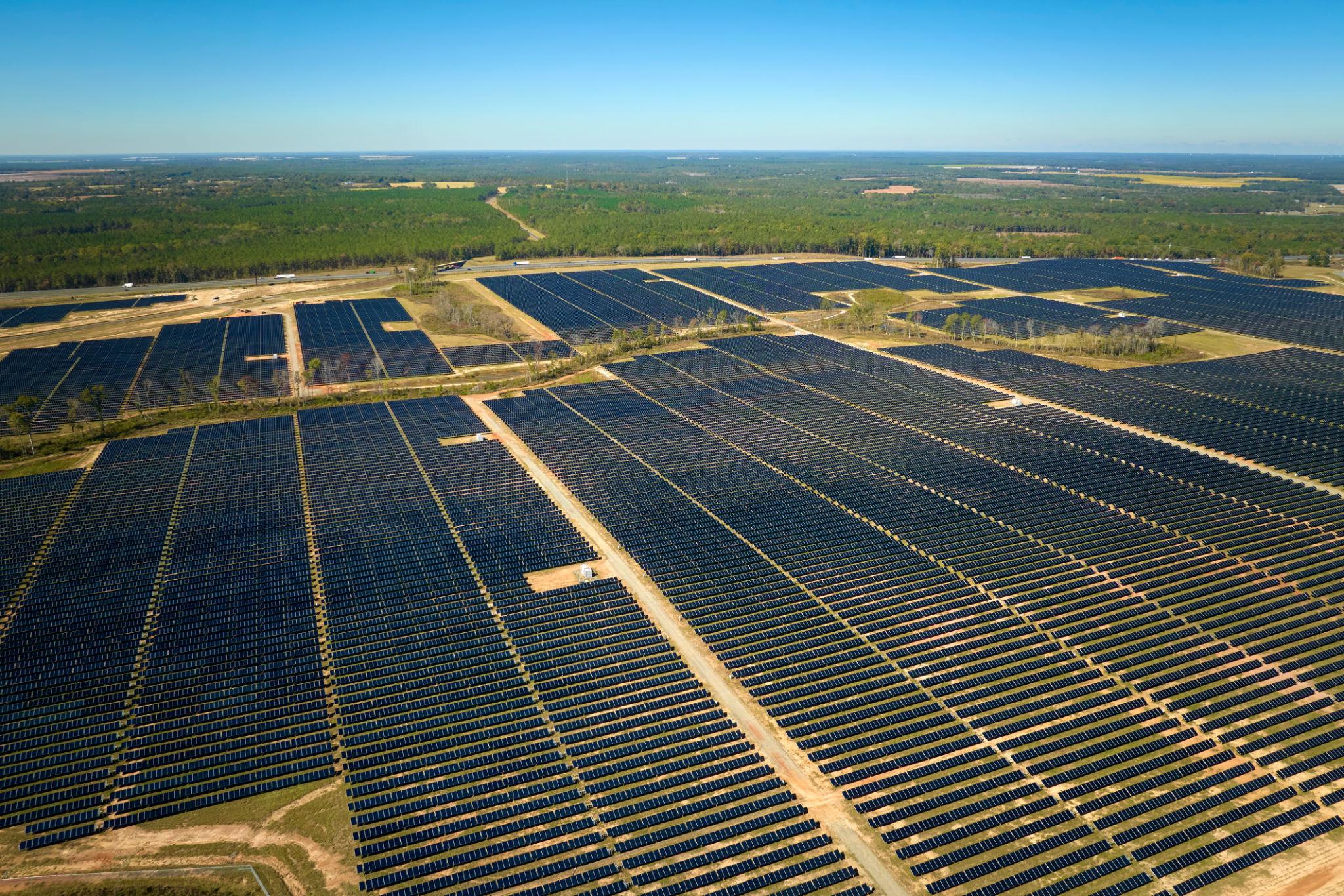
For example, installation economics in California can differ from those in Texas, Arizona, Florida, New York, or Massachusetts.
This is why a national average should be treated as a starting point rather than a guaranteed price.
Solar Cost per Watt by System Size
System size is another major factor.
4-kW Solar System
A 4-kW system may be suitable for a smaller household with relatively low electricity consumption.
Illustrative pricing at $3.00 per watt:
4,000 × $3.00 = $12,000
6-kW Solar System
At $2.80 per watt:
6,000 × $2.80 = $16,800
8-kW Solar System
At $2.60 per watt:
8,000 × $2.60 = $20,800
10-kW Solar System
At $2.50 per watt:
10,000 × $2.50 = $25,000
12-kW Solar System
At $2.40 per watt:
12,000 × $2.40 = $28,800
Again, these calculations demonstrate how cost per watt works; they are not quotes for a specific property.
Does a Lower Cost per Watt Always Mean a Better Deal?
No.
This is one of the most important points when comparing solar installations.
A quote of $2.40/W might appear better than a quote of $3.00/W, but you need to determine what each installer is actually providing.
Check:
- Panel manufacturer
- Panel efficiency
- Inverter technology
- Equipment warranties
- Workmanship warranty
- Monitoring system
- Roof work
- Electrical upgrades
- Permitting
- System production estimate
- Battery inclusion
- Financing costs
A slightly more expensive system may provide better long-term value.
Solar Panel Efficiency and Cost per Watt
Solar panel efficiency measures how effectively a panel converts available sunlight into electricity.
Higher-efficiency panels can be useful when roof space is limited.
For example, if two panels occupy approximately the same physical area but one produces more electricity, the higher-output panel may allow a homeowner to install a smaller number of panels.
However, higher efficiency does not automatically mean a better financial return.
Homeowners should compare the complete system cost and expected electricity production, rather than efficiency alone.
How Battery Storage Changes Cost per Watt
Adding a battery can significantly increase the total project price.
A solar-plus-storage system includes additional equipment such as:
- Battery
- Battery inverter or integrated power electronics
- Backup equipment
- Additional wiring
- Controls
- Installation labor
Because batteries are measured primarily in kilowatt-hours rather than solar watts, simply comparing the entire solar-plus-battery project using dollars per watt can sometimes be misleading.
When comparing battery proposals, also examine:
Cost per kWh of usable storage
and
Expected battery cycle life and warranty
Solar Cost per Watt and Financing
The advertised cost per watt can become harder to interpret when financing is involved.
A solar company may quote:
- Cash price
- Loan price
- Lease payment
- Power purchase agreement rate
These are not directly interchangeable.
A financed project may have a higher total cost because of interest and financing fees even if the underlying solar installation has a competitive equipment price.
For that reason, homeowners should request the cash price and complete financing terms before making a decision.
How to Compare Solar Quotes
When receiving multiple solar proposals, create a simple comparison.
| Factor | Installer A | Installer B | Installer C |
|---|---|---|---|
| System size | 8 kW | 8 kW | 8 kW |
| Total price | $21,600 | $23,200 | $24,000 |
| Cost per watt | $2.70 | $2.90 | $3.00 |
| Panel type | Compare | Compare | Compare |
| Inverter | Compare | Compare | Compare |
| Warranty | Compare | Compare | Compare |
| Battery | Check | Check | Check |
This makes it much easier to identify meaningful differences.
What Questions Should You Ask a Solar Installer?
Before signing a contract, homeowners should ask:
What Is the Total Cash Price?
Make sure the quoted amount includes all expected installation costs.
What Is the Cost per Watt?
Ask the installer to provide the calculation.
Which Panels Are Being Installed?
Get the exact manufacturer and model.
Which Inverter Will Be Used?
The inverter can significantly affect system performance and monitoring.
What Does the Warranty Cover?
Separate equipment warranties from workmanship warranties.
Is Battery Storage Included?
If not, ask how much adding storage would cost.
Are Electrical Upgrades Included?
Some homes may require panel upgrades or other electrical work.
Who Handles Permits and Utility Interconnection?
Ideally, the installer should explain the entire process.
How Much Should You Pay for Solar?
There is no single price that applies to every U.S. homeowner.
A reasonable solar quote depends on:
- Location
- System size
- Roof condition
- Equipment
- Labor
- Permitting
- Electrical requirements
- Installer experience
- Financing
- Battery storage
- Project complexity
Instead of asking only, “What is the cheapest solar cost per watt?”, homeowners should ask:
“What am I getting for every dollar per watt?”
That question provides a much better basis for comparing solar proposals.
Solar Cost per Watt vs. Long-Term Savings
The upfront price is only one part of the solar investment.
A properly sized solar system can potentially reduce electricity purchases from the utility over many years.
The financial value depends on factors including:
- Electricity rates
- Solar production
- System degradation
- Utility compensation rules
- Self-consumption
- Financing
- Maintenance
- Battery usage
- Available incentives
A more expensive system can potentially provide greater long-term value if it produces more electricity or has better equipment and reliability.
How to Calculate Your Own Solar Cost per Watt
You can calculate your system’s price in three simple steps.
Step 1: Determine System Capacity
Suppose your system is:
7.5 kW
Convert it to watts:
7.5 × 1,000 = 7,500 watts
Step 2: Find the Total Installed Price
Suppose your quote is:
$20,250
Step 3: Divide Price by Capacity
$20,250 ÷ 7,500 = $2.70 per watt
Your solar installation therefore costs:
$2.70/W
This calculation can be repeated for every quote you receive.
Is Solar Getting Cheaper?
Solar technology and installation economics have changed considerably over the past decade. Panel manufacturing has become more efficient, solar deployment has expanded, and installers have developed more standardized installation processes.
However, the final price paid by a homeowner does not depend solely on the cost of panels.
Soft costs—including permitting, customer acquisition, financing, engineering, administration, and labor—can represent a significant part of the total installed price.
Therefore, falling panel prices do not necessarily translate into an identical reduction in the homeowner’s final installation price.
The Future of Solar Pricing in the United States
The U.S. solar market is expected to continue evolving as electricity demand grows and homeowners, businesses, utilities, and data centers look for additional power resources.
Several developments could influence solar pricing in the coming years:
Higher-Efficiency Panels
Improved solar technology can increase electricity production from the same roof area.
More Energy Storage
Battery storage is becoming increasingly important as consumers seek greater energy independence and backup power.
Growing Electricity Demand
The expansion of data centers, manufacturing, electric vehicles, and building electrification could increase demand for electricity.
Domestic Manufacturing
Expansion of U.S. solar manufacturing could influence equipment supply chains and pricing.
Installer Competition
Competition among solar companies can give consumers more options when comparing installation proposals.
Final Thoughts
Solar panel cost per watt is one of the most useful measurements for comparing solar installations in the United States. It allows homeowners to compare systems of different sizes using a common metric and makes it easier to identify unusually expensive or competitive proposals.
In 2026, residential solar pricing can vary considerably depending on location, system size, equipment, roof characteristics, labor, permitting, financing, and whether battery storage is included. A national price range can provide a useful starting point, but homeowners should obtain multiple detailed quotes before making a decision.
Most importantly, don’t evaluate a solar installation solely by its advertised price per watt. Compare the complete installed price, system capacity, expected electricity production, equipment quality, warranties, financing terms, and long-term savings potential.
A solar system that costs slightly more upfront can sometimes provide better value over its useful life, while an unusually cheap quote may leave out important costs or use lower-cost equipment.
For U.S. homeowners considering solar in 2026, understanding cost per watt is therefore an essential first step toward making an informed solar investment.

Seraphina Vale is a passionate content writer and blogger with 3 years of blogging experience, specializing in creating engaging, well-researched, and reader-focused articles. She enjoys breaking down complex topics into clear, practical insights that help readers stay informed and make confident decisions.