Few home maintenance decisions carry as much financial weight as whether to repair or replace your roof. As a homeowner who has guided several family members and friends through this exact choice, I understand the stress involved. One wrong decision can lead to thousands of dollars in unnecessary expense or, worse, costly water damage and structural issues down the line.
In 2026, with material costs stabilizing but labor remaining expensive, making an informed choice between roof repair and full replacement has never been more important. This guide offers a clear, practical framework to help you evaluate your situation and determine which path truly saves more money in the long run.
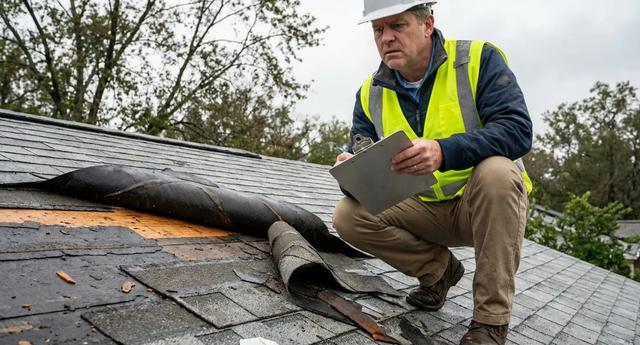
Understanding the Fundamental Difference
A roof repair typically addresses specific, localized problems — such as replacing damaged shingles, fixing leaks, repairing flashing around chimneys, or sealing cracks. These interventions are targeted and usually less disruptive.
A full roof replacement, on the other hand, involves removing the existing roofing system down to the deck (or sheathing) and installing a new one. This is a more comprehensive solution that resets the clock on your roof’s lifespan.
The core question is not simply “What is cheaper right now?” but “Which option provides better value over the next 10–20 years?”
Key Factors to Consider
1. Age of Your Current Roof Most asphalt shingle roofs last 20–30 years, while premium materials like metal or slate can endure 40–70 years. If your roof is approaching or past its expected lifespan, even successful repairs may only offer temporary relief.
For example, if your 28-year-old asphalt roof is showing widespread granule loss and curling shingles, repairs might buy you 2–4 more years, but a replacement could provide 25+ years of reliable protection.
2. Extent and Type of Damage
- Isolated leaks or storm damage → Often best addressed with targeted repairs
- Widespread issues (multiple leaks, sagging areas, missing shingles across large sections) → Usually indicate deeper problems that favor replacement
- Underlying deck damage or rot → Almost always requires replacement for long-term safety
3. Cost Comparison In 2026, average costs break down approximately as follows (national U.S. figures, varying significantly by region and home size):
- Roof repair: $500 – $4,000 for typical issues; up to $8,000–$12,000 for extensive repairs
- Full roof replacement: $8,000 – $25,000 for an average home (asphalt shingles); $15,000 – $40,000+ for premium materials like metal or tile
While repairs appear far cheaper upfront, repeated repairs over time can eventually exceed the cost of a single replacement.
4. Energy Efficiency and Home Value A new roof often includes better insulation, improved ventilation, and modern materials that can lower energy bills. It also boosts curb appeal and can increase resale value. Insurance companies sometimes offer better premiums for newer roofs.
When Repair Usually Makes Financial Sense
Repair is often the smarter short-term choice when:
- Your roof is relatively young (under 15–18 years for asphalt)
- Damage is limited to one or two areas
- The underlying structure remains sound
- You plan to sell the home within 3–5 years
- Budget constraints make replacement difficult right now
Many homeowners successfully extend their roof’s life by 5–8 years with well-executed repairs, particularly after storm damage where only certain sections need attention.
When Replacement is the Better Long-Term Investment
Replacement tends to be more economical when:
- The roof is nearing or past its expected lifespan
- You’re seeing multiple problems across different areas
- Previous repairs have failed or required frequent attention
- You plan to stay in the home for 7+ years
- Local building codes or insurance requirements favor a new roof
- The roof deck shows signs of deterioration
In these cases, the higher upfront investment often delivers superior protection and lower total ownership costs over time.
Hidden Costs to Factor Into Your Decision
Many homeowners focus only on the immediate quote and miss important secondary expenses:
- Repeated repairs: Labor costs add up quickly when contractors return multiple times
- Water damage: Even small leaks can lead to ceiling repairs, mold remediation, and damaged insulation costing tens of thousands
- Energy inefficiency: Older roofs lose more conditioned air
- Emergency service premiums: Middle-of-the-night leak repairs are significantly more expensive
- Insurance implications: Some insurers may raise premiums or drop coverage on older roofs
A thorough cost analysis should look at a 10–15 year horizon rather than just the next 12 months.
The Importance of Professional Assessment
One of the best investments you can make is hiring two or three reputable roofing contractors for thorough inspections. A quality roofer will:
- Use drones or walk the roof to provide detailed photos
- Check the attic for signs of leaks or poor ventilation
- Provide a clear written report with recommendations
- Offer warranties on both repairs and replacements
Be wary of contractors who push aggressively for full replacement without clear evidence or those offering unusually low prices.
Real-World Examples
I recently advised a neighbor whose 22-year-old roof had developed two persistent leaks after a major storm. After careful evaluation, we determined that while repairs could address the immediate issues for about $3,200, the overall condition suggested replacement within 3–4 years. They ultimately chose replacement at $18,500, which included upgraded ventilation and better insulation. Two years later, they report excellent performance and noticeably lower cooling costs during summer.
In contrast, another family with a 12-year-old roof opted for targeted repairs after hail damage. The $2,800 investment has held up well, and they plan to replace the roof in about 8–10 years when it better fits their financial timeline.
Making Your Final Decision: A Practical Framework
Consider these questions:
- How old is your roof, and what material is it?
- What specific problems are you experiencing?
- How long do you plan to stay in your current home?
- What is your current budget and access to financing?
- Have multiple professionals provided similar assessments?
Create a simple comparison spreadsheet showing upfront costs, projected maintenance over 10 years, potential energy savings, and risk factors. This exercise often brings clarity.
Many homeowners also explore financing options, manufacturer warranties, and available rebates or tax incentives for energy-efficient roofing materials in 2026.
Final Thoughts
Deciding between roof repair and replacement is rarely simple, but approaching it with clear information and a long-term perspective helps protect both your home and your finances. While repairs can be an excellent temporary solution in the right circumstances, a well-timed full replacement often proves more cost-effective for homeowners planning to stay in their property for many years.
Take time to gather multiple professional opinions, consider your unique situation, and resist making decisions based purely on immediate cost. A roof is one of the most critical investments in your home’s protection — choosing wisely today can save significant money, stress, and complications in the years ahead.
If you’re currently facing this decision with your own roof, I’d be happy to help you think through your specific situation. Feel free to share details such as your roof’s age, material, current issues, and location, and I can offer more tailored considerations.