I still wince when I think about my first major kitchen renovation. We went in excited, with big dreams and what we thought was a solid plan. Six months and $18,000 over budget later, I had a beautiful kitchen that I secretly resented in small ways. The island was too big for the space, the lighting was terrible at night, and we had forgotten power outlets where we actually needed them. Sound familiar?
Over the years, I’ve talked to dozens of homeowners who did kitchen remodels, and the same regrets keep coming up. The good news? Almost every mistake is avoidable with better planning and the right questions. In this guide, I’ll walk you through the most common kitchen remodeling mistakes people deeply regret — and exactly how to dodge them in 2026.
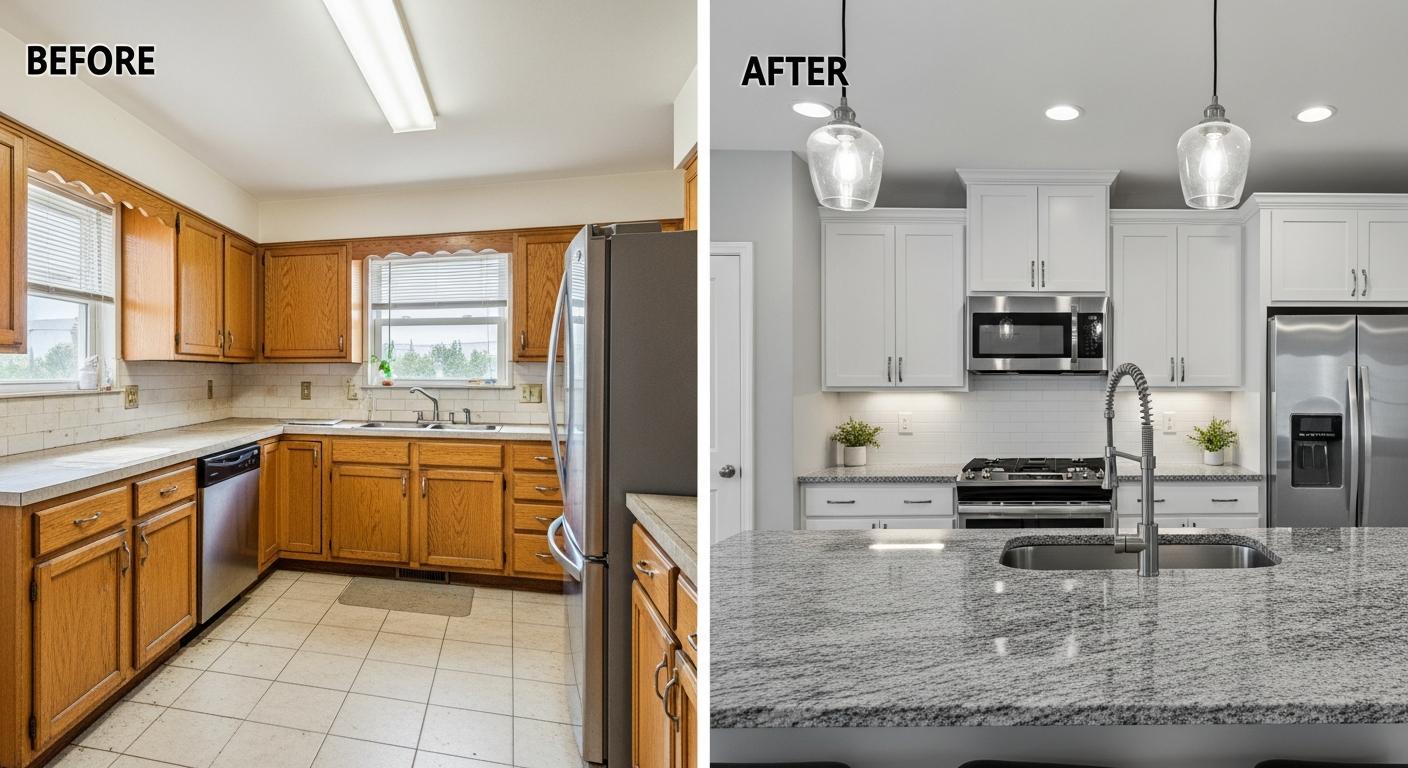
Common Kitchen Remodeling Mistakes
1. Rushing the Planning Phase
This is by far the biggest mistake I see. People fall in love with a Pinterest kitchen, hire a contractor, and jump straight into demolition.
Why people regret it: They end up with layouts that don’t match how they actually cook, live, or entertain. Traffic flow is terrible. Storage doesn’t work for their habits.
How to avoid it:
- Live in your current kitchen for at least two weeks while taking detailed notes about frustrations.
- Mock up the new layout with painter’s tape on the floor and walk through real scenarios (making coffee, cooking a big meal, unloading groceries).
- Create a detailed wish list with priorities clearly ranked.
- Hire a designer or use good 3D software before signing contracts.
One couple I know spent an extra month planning and saved themselves from building an island that would have blocked their main walkway. That extra time was worth every penny.
2. Underestimating the Real Budget
“I thought we had plenty of budget” is something I hear constantly.
Common issues:
- Forgetting permits, delivery fees, temporary kitchen setup, or disposal costs
- Not accounting for 15–25% contingency
- Choosing cheap materials that need replacement sooner
- Scope creep (adding “just one more thing” during the project)
Realistic numbers in 2026: A moderate kitchen remodel often lands between $25,000–$45,000. High-end projects easily exceed $60,000–$100,000+.
How to avoid it:
- Get multiple detailed bids and compare them line by line.
- Build in a healthy contingency fund.
- Decide what’s most important before you start (function, beauty, or resale?).
- Be very specific in your contract about what’s included and what triggers change orders.
3. Choosing Style Over Function
This one hurts because the kitchen looks gorgeous… but drives you crazy every day.
Regret examples:
- Giant islands that make the kitchen feel cramped
- Beautiful but high-maintenance materials (white marble in a busy family kitchen)
- Cabinets that look amazing but have terrible storage access
- Show-stopping light fixtures that create shadows on work surfaces
How to avoid it:
- Test everything against real life. Can you open the dishwasher while someone else is cooking?
- Prioritize counter space on both sides of the sink and stove.
- Choose materials based on your actual lifestyle, not just photos.
- Focus first on the work triangle (or work zones) and storage.
I always tell people: You will forgive an ugly kitchen that works perfectly long before you forgive a beautiful one that doesn’t.
4. Hiring the Wrong Contractor
Bad contractors can turn a dream project into a nightmare.
Warning signs:
- Extremely low bids that seem too good to be true
- Poor communication from the start
- No detailed written contract
- Pressure to decide quickly
How to avoid it:
- Check multiple recent references (not just the ones they provide)
- Verify licensing, insurance, and reviews on independent platforms
- Visit a finished project in person if possible
- Choose someone who asks good questions about how you use your kitchen
A friend of mine hired based on the lowest bid and regretted it for years. The crew was sloppy, timelines slipped by months, and finishing details were poor.
5. Forgetting Practical Details
These small oversights create daily frustration:
- Not enough electrical outlets (especially on islands)
- Poor lighting design (especially task lighting)
- Inadequate ventilation
- No space for trash/recycling
- Handles and fixtures that are hard to clean or uncomfortable to use
- Forgetting about future needs (aging in place, more family members, etc.)
Pro tip: Walk through a typical day in your future kitchen during the design phase. Imagine mornings, dinner prep, cleanup, and entertaining.
6. Ignoring Storage Reality
Beautiful cabinets that don’t hold your stuff properly is incredibly common.
Mistakes:
- Too many upper cabinets and not enough drawers
- Deep corner cabinets that become black holes
- No specialized storage for pots, spices, or sheet pans
- Forgetting about small appliances and everyday items
Solution: Prioritize pull-out drawers, corner solutions, and accessible storage between waist and shoulder height. Measure your largest pots and pans before finalizing cabinet designs.
7. Bad Timing and Project Management
Starting a kitchen remodel right before holidays, during busy work seasons, or without a good temporary kitchen setup causes massive stress.
How to avoid it:
- Plan your timeline realistically (most full remodels take 6–12 weeks).
- Set up a functional temporary kitchen area.
- Have clear communication channels with your contractor.
- Build buffer time into the schedule.
8. Over-customizing or Following Trends Too Closely
That ultra-specific trend you love today might feel dated in eight years.
Better approach: Choose classic base elements (layout, cabinet style, counters) and add trendy touches through paint, hardware, and accessories that are easy to change.
Recovery: What If You’ve Already Made Mistakes?
If you’re currently living with regrets, don’t panic. Many issues can be fixed:
- Add outlets or under-cabinet lighting without a full remodel
- Reface or paint cabinets
- Replace countertops selectively
- Improve storage with organizers and pull-outs
Final Thoughts
A kitchen remodel is a big investment of time, money, and emotional energy. The homeowners who end up happiest are the ones who plan thoroughly, prioritize function, hire the right team, and stay realistic about budget and timeline.
The best kitchens aren’t perfect — they’re personal. They fit how you actually live, cook, and gather. When you get the fundamentals right (layout, storage, lighting, flow), even modest materials feel wonderful.
If you’re about to start your own kitchen remodel, take a deep breath and move slowly on the big decisions. Ask hard questions. Visit finished projects. Imagine the space at 7am on a Tuesday and at 8pm during a dinner party.
Have you already started your remodel or are you in the planning phase? What’s your biggest worry right now — budget, layout, finding good help, or something else? Share your situation and I’ll try to help you avoid the most painful mistakes.

Karl Hunter is a professional writer, researcher, and digital content strategist dedicated to producing well-researched, engaging, and informative content. With a passion for simplifying complex topics, Karl specializes in creating articles that help readers make informed decisions across business, finance, technology, education, and nonprofit initiatives.