Replacing a roof is one of the largest single investments most homeowners will make. I remember helping my sister navigate this process a couple of years ago. What began as a straightforward conversation about costs quickly evolved into a deeper discussion about materials, long-term value, and careful financial planning. The experience taught us both that understanding the true cost of a roof replacement — not just the headline number — is essential for making a sound decision.
In 2026, roof replacement costs have stabilized somewhat after previous years of volatility, but they still represent a significant expense. This comprehensive guide breaks down current pricing, material options, labor considerations, and practical budgeting strategies to help you approach your project with clarity and confidence.
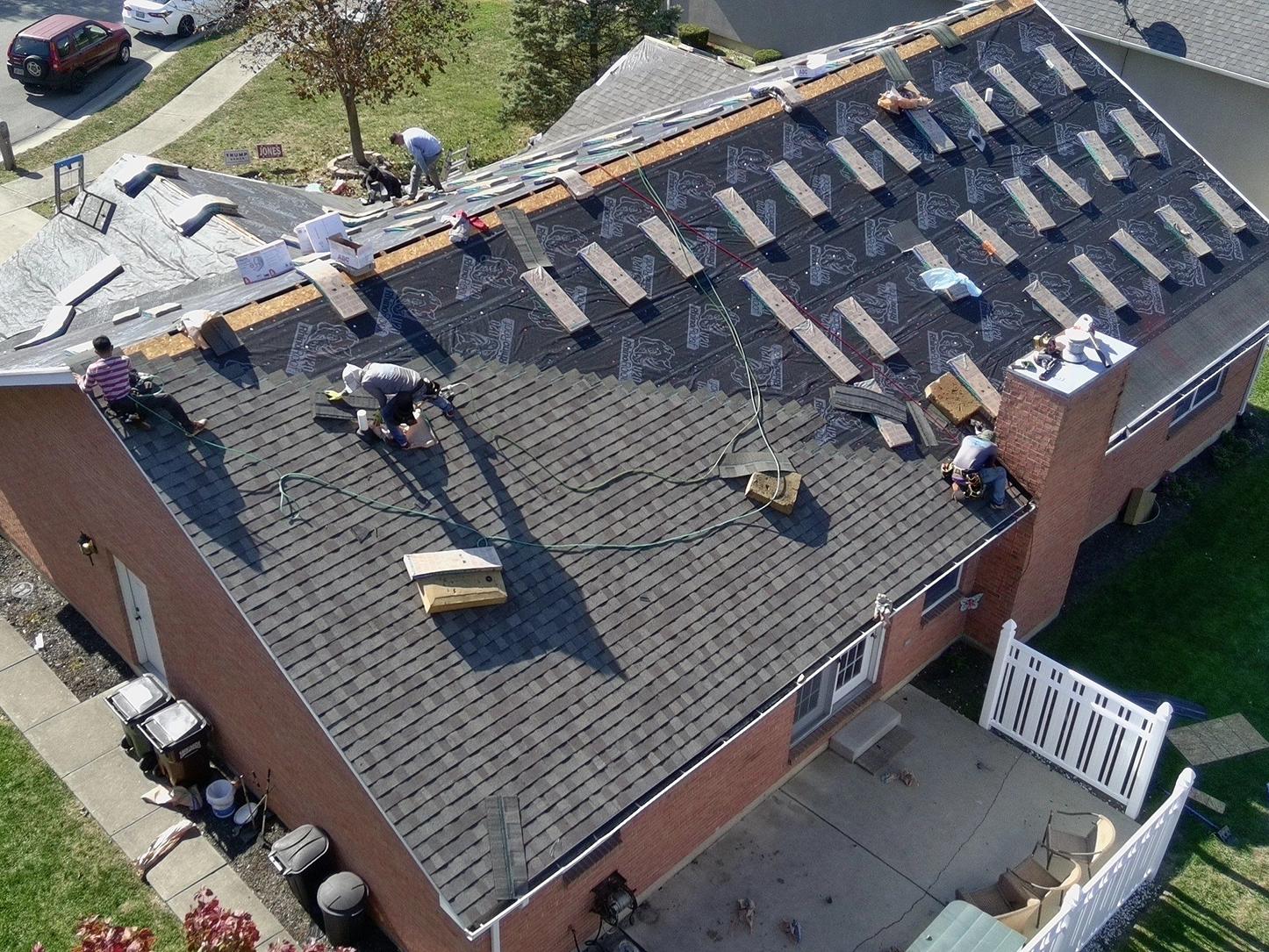
Current Cost Overview in 2026
The national average for a full roof replacement in 2026 typically ranges from $8,000 to $25,000 for a standard single-family home (approximately 1,700–2,200 square feet). However, prices can vary dramatically based on location, material choice, roof complexity, and contractor rates.
- Low-end projects (basic asphalt shingles): $6,000 – $12,000
- Mid-range projects (architectural shingles, some premium features): $15,000 – $28,000
- High-end projects (metal, tile, slate, or complex designs): $25,000 – $60,000+
These figures include materials and labor. Understanding what drives these costs helps you make informed choices rather than simply accepting the first quote.
Material Costs: Finding the Right Balance
Your choice of roofing material significantly impacts both upfront cost and long-term performance.
Asphalt Shingles Still the most popular and affordable option in 2026.
- 3-tab shingles: Lower cost but shorter lifespan (15–20 years)
- Architectural (dimensional) shingles: Better durability and aesthetics (25–30+ years)
Average cost: $3.50 – $7.00 per square foot installed. They remain a practical choice for many homeowners seeking good value.
Metal Roofing Gaining popularity due to longevity and energy efficiency.
- Standing seam or corrugated metal: Excellent durability (40–70 years)
- Offers superior wind and fire resistance
Average cost: $8 – $16 per square foot installed. While more expensive initially, metal roofs often pay for themselves through reduced maintenance and energy savings over decades.
Tile Roofing Common in certain regions, particularly in the South and Southwest.
- Concrete or clay tile: Beautiful appearance and excellent longevity (50+ years)
Average cost: $10 – $25 per square foot installed. Heavy weight requires proper structural evaluation.
Slate Roofing A premium natural material known for timeless beauty and exceptional durability. Average cost: $15 – $35+ per square foot installed. Best suited for high-end homes where longevity and aesthetics are priorities.
Other Options: Synthetic materials, wood shakes, and green roofs each have their place depending on climate, budget, and design goals.
Labor and Installation Costs
Labor typically accounts for 40–60% of the total project cost. In 2026, roofing crews remain in high demand, particularly in regions recovering from recent weather events.
Factors affecting labor costs include:
- Roof pitch and complexity (steep or multi-level roofs cost more)
- Removal of old materials and disposal fees
- Local labor rates and permitting requirements
- Accessibility of the property
A quality installation is worth the investment. Poor workmanship can lead to premature failure and expensive callbacks.
Additional Expenses to Budget For
Many homeowners are surprised by costs beyond materials and labor:
- Permits and inspections: $200 – $1,500
- Deck repair or replacement: $1,000 – $8,000+ if rot is discovered
- Ventilation and insulation upgrades: $800 – $3,500
- Gutter replacement or repairs: $600 – $2,500
- Skylights, chimneys, or solar integration: Varies widely
- Disposal and cleanup: Often included but worth confirming
- Temporary protective measures: For landscaping or outdoor living areas
Smart budgeting includes adding a 15–20% contingency to cover unexpected discoveries once the old roof is removed.
Regional Cost Variations
Where you live significantly affects pricing:
- High-cost areas (California, Northeast, urban centers): Often 30–60% above national averages
- Moderate markets: Closer to national figures
- Lower-cost regions: Can see prices 20–30% below average
Local weather patterns, building codes, and material availability also play important roles.
Budgeting Tips That Actually Work
- Get Multiple Detailed Quotes Aim for at least three bids from reputable, licensed contractors. Compare them carefully, not just on total price but on scope of work, materials, warranties, and timelines.
- Prioritize Value Over Lowest Price The cheapest bid is rarely the best long-term choice. Look for contractors with strong references and proper insurance.
- Consider Timing Scheduling your project during slower seasons (often late fall or winter in some regions) can sometimes yield better pricing and availability.
- Explore Financing Options Many contractors offer financing. Home equity loans, HELOCs, or manufacturer financing programs are also worth investigating. Some energy-efficient roofing materials may qualify for tax incentives or rebates.
- Phase Where Possible While full replacement is usually recommended, some homeowners strategically repair critical areas while planning for full replacement in the coming years.
- Focus on Longevity Investing in better materials and proper ventilation often reduces future maintenance costs and extends the roof’s lifespan significantly.
Return on Investment and Home Value
A new roof is generally viewed favorably by homebuyers and appraisers. Depending on your market, you may recoup 60–80% of the investment upon sale. Beyond resale value, a quality roof provides peace of mind, better energy efficiency, and protection against costly water damage.
Working Effectively with Contractors
Clear communication is essential. Ask detailed questions about:
- Warranty coverage (material and workmanship)
- Timeline expectations
- Cleanup procedures
- Payment schedules
- What happens if unexpected issues are discovered
A strong contract protects both parties and sets clear expectations.
Making Your Decision
When evaluating quotes, consider the total cost of ownership over 10–20 years rather than just the initial price. Factor in expected lifespan, maintenance requirements, energy efficiency, and potential insurance benefits.
Many homeowners find that a mid-to-premium option provides the best balance of cost and performance for their specific situation.
Final Thoughts
Roof replacement is a significant undertaking, but with careful planning and realistic budgeting, it becomes a manageable and worthwhile investment in your home’s protection and value. Understanding the true costs, exploring material options, and working with reputable professionals helps ensure you make choices you can feel confident about for years to come.
If you’re currently considering a roof replacement for your home, I encourage you to start with professional inspections and multiple quotes. Feel free to share details about your roof type, home size, location, or specific concerns, and I’d be happy to offer more tailored insights based on common scenarios in 2026.
A well-planned roof replacement not only protects your largest investment but also provides long-term peace of mind for you and your family.