Choosing between asphalt shingles and metal roofing is one of the most important decisions homeowners face during a roof replacement. I recall sitting down with a close friend last year as he weighed these exact options. He wanted something durable that wouldn’t burden him with constant maintenance, but he was also concerned about the upfront investment. After careful analysis, we discovered that the “better” choice wasn’t obvious — it depended heavily on his long-term plans, local climate, and financial priorities.
In 2026, both asphalt shingles and metal roofing remain popular, but they serve different needs. This comprehensive guide compares the two materials across key factors to help you determine which option represents the stronger long-term investment for your specific situation.
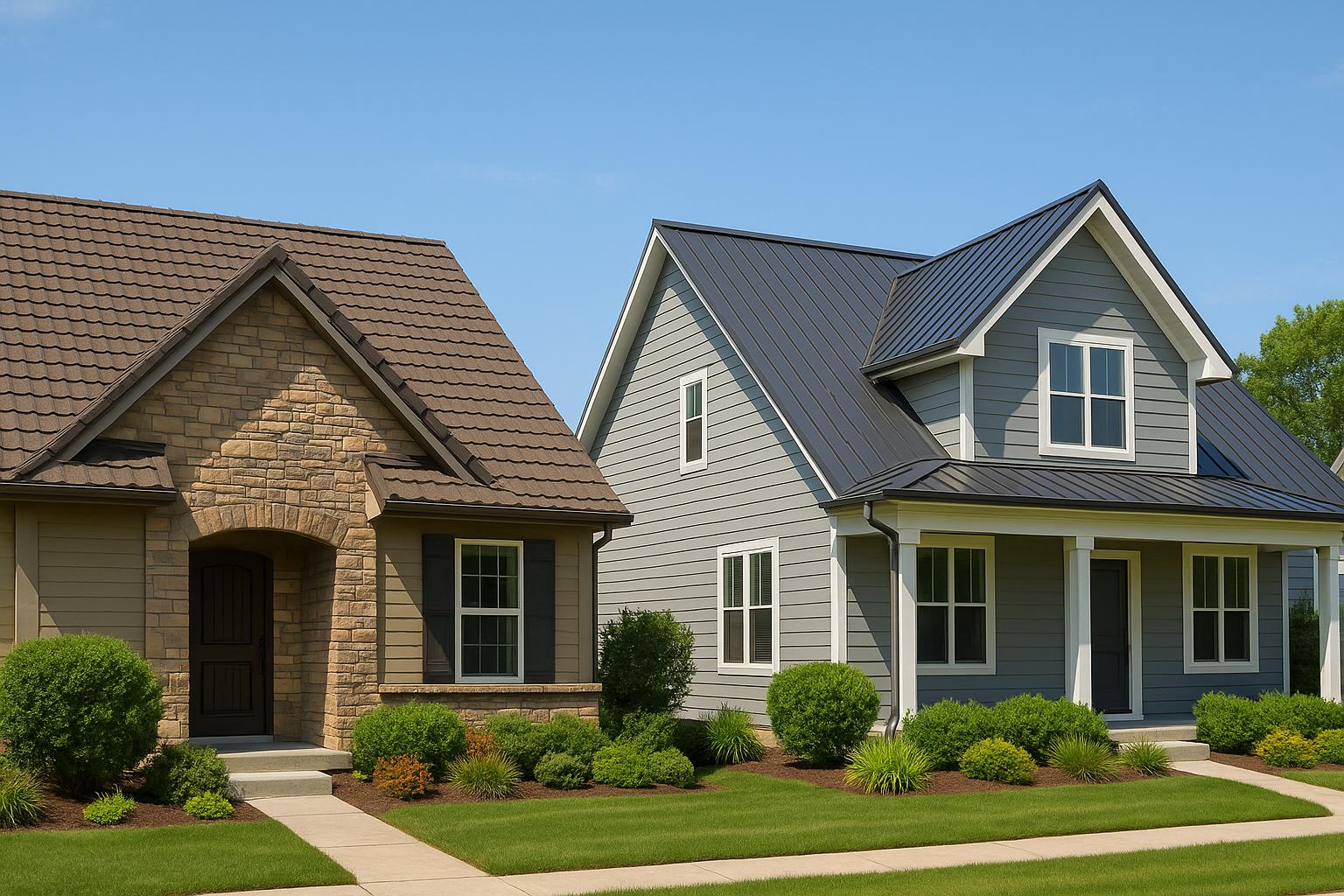
Understanding the Two Materials
Asphalt Shingles
The most common roofing material in North America, asphalt shingles consist of a fiberglass mat coated with asphalt and mineral granules. They come in two main types: 3-tab and architectural (dimensional) shingles. Modern versions in 2026 offer improved durability and styling options that can mimic more expensive materials.
Metal Roofing
Available in various forms including standing seam, corrugated panels, shingles, and tiles. Common materials include steel, aluminum, zinc, and copper. Metal roofs have evolved significantly, with advanced coatings that improve performance and appearance while reducing noise and heat transfer.
Initial Cost Comparison
Asphalt Shingles: Generally the more affordable option.
- Installed cost: $3.50 – $7.50 per square foot
- Total project cost for an average home: $8,000 – $18,000
Metal Roofing: Higher upfront investment.
- Installed cost: $8 – $16+ per square foot
- Total project cost for an average home: $18,000 – $40,000+
At first glance, asphalt appears to be the clear budget winner. However, long-term investment analysis requires looking far beyond the initial quote.
Lifespan and Durability
Asphalt Shingles: Expect 20–30 years of service life with good installation and maintenance. Architectural shingles typically outperform 3-tab versions. They perform adequately in most climates but can suffer in areas with extreme heat, high winds, or heavy hail.
Metal Roofing: Significantly longer lifespan — often 40–70 years depending on material and coating quality. Metal excels in harsh conditions, offering superior resistance to wind, hail, fire, and UV damage. Many metal roofs installed decades ago are still performing well today.
Long-term advantage: Metal clearly wins on durability, often outlasting two or three asphalt roofs.
Maintenance Requirements
Asphalt Shingles: Require periodic inspections, gutter cleaning, and occasional repairs. Granule loss, curling, and algae growth are common issues over time. Repairs are usually straightforward but may become more frequent as the roof ages.
Metal Roofing: Generally very low maintenance. The biggest concerns are occasional panel damage or fastener issues, which are relatively rare with quality installations. Many metal roofs need little more than basic cleaning every few years.
For busy homeowners or those in remote areas, the reduced maintenance of metal roofing provides meaningful long-term value.
Energy Efficiency and Utility Bills
Asphalt Shingles: Traditional dark shingles absorb heat, which can increase cooling costs in warm climates. Lighter-colored or “cool roof” versions perform better, but asphalt still transfers more heat than reflective metal surfaces.
Metal Roofing: Excellent energy performance, especially with reflective coatings and proper ventilation. Metal roofs can reduce cooling costs by 10–25% in hot climates. Some systems integrate well with solar panels.
Long-term savings: Metal often delivers measurable utility bill reductions, particularly in regions with high cooling demands.
Aesthetics and Home Value
Asphalt Shingles: Offer good variety in colors and styles. Architectural shingles provide dimension and visual appeal. They suit most traditional and suburban homes well.
Metal Roofing: Deliver a distinctive, modern or classic look depending on style. Standing seam metal offers clean lines, while metal shingles can mimic traditional appearances. A quality metal roof often enhances curb appeal and can be a strong selling point.
Both materials can add value, but metal roofs frequently command higher appreciation in certain markets due to their premium perception and longevity.
Environmental Considerations
Asphalt Shingles: Manufacturing uses petroleum products, and disposal at end-of-life creates landfill waste. However, many manufacturers now offer recycling programs.
Metal Roofing: Often contains recycled content and is highly recyclable at the end of its life. Longer lifespan means less frequent replacement and reduced overall environmental impact.
Regional Performance Factors
Climate plays a major role in determining the better investment:
- High-wind or hurricane areas: Metal usually outperforms asphalt significantly
- Heavy hail regions: Metal shows superior resistance
- Hot, sunny climates: Metal’s reflective properties provide clear advantages
- Cold, snowy regions: Metal sheds snow more effectively
- Mild climates: Asphalt may offer sufficient performance at lower cost
Total Cost of Ownership Analysis
When calculated over 40–50 years, the picture often shifts:
- Asphalt scenario: Two to three full replacements plus ongoing repairs
- Metal scenario: One installation with minimal maintenance
Many homeowners discover that metal becomes less expensive over decades, despite higher initial costs. Energy savings and reduced repair frequency further improve the equation.
Making Your Decision: A Practical Framework
Consider these key questions:
- How long do you plan to stay in your current home?
- What is your local climate and typical weather challenges?
- What is your current budget and access to financing?
- How important is low maintenance to you?
- Are there energy efficiency or sustainability goals driving your decision?
For homeowners planning to stay 10+ years, metal roofing frequently emerges as the stronger long-term investment. Those planning shorter stays or working with tighter budgets often choose quality asphalt shingles.
Case Studies and Real Experiences
I’ve seen both options succeed in different contexts. One family in a hail-prone area invested in metal roofing after repeated asphalt failures. Their higher upfront cost was offset by insurance savings and peace of mind. Another couple in a milder climate chose premium architectural shingles and has been satisfied with the balance of cost and performance after eight years.
Future Trends in 2026
Both industries continue to innovate. Asphalt manufacturers are developing more durable, eco-friendly products. Metal roofing companies are improving coatings, reducing noise, and offering more color and style options. Solar-integrated metal roofing systems are also gaining traction.
Final Thoughts
Neither asphalt shingles nor metal roofing is universally superior — the better long-term investment depends on your specific circumstances, priorities, and local conditions. Asphalt offers excellent value for many homeowners, particularly those with budget constraints or shorter time horizons. Metal roofing frequently delivers superior long-term performance, lower maintenance, and better energy efficiency for those who can accommodate the higher initial investment.
Take time to evaluate multiple contractor quotes, consider your climate challenges, and run the numbers over a realistic ownership period. Consulting with reputable local roofers who understand both materials will provide valuable personalized insights.
If you’re currently weighing these options for your home, I’d be glad to help you think through the decision. Share details such as your location, roof size, current roof type, budget range, and primary concerns, and I can offer more targeted guidance based on common scenarios in 2026.
A thoughtfully chosen roof protects your home, your finances, and your peace of mind for years to come. Investing time in this decision now pays meaningful dividends in the future.

Seraphina Vale is a passionate content writer and blogger with 3 years of blogging experience, specializing in creating engaging, well-researched, and reader-focused articles. She enjoys breaking down complex topics into clear, practical insights that help readers stay informed and make confident decisions.