A roof is one of the most important investments you’ll make in your home, silently protecting everything and everyone beneath it for decades. I learned this lesson personally when a neighbor’s neglected roof led to significant water damage during a heavy storm several years ago. What started as minor maintenance oversights — clogged gutters, untrimmed branches, and ignored early signs of wear — eventually cost them far more than consistent care would have.
In 2026, with more unpredictable weather patterns and steadily rising repair costs, proactive roof maintenance has become more valuable than ever. The good news is that consistent, thoughtful care can easily add 5–15 years (or more) to your roof’s lifespan while saving you thousands of dollars in premature replacement costs and avoiding expensive interior damage.
This comprehensive guide shares practical, actionable maintenance tips every homeowner should know, whether you have asphalt shingles, metal roofing, tile, or another material. We’ll cover regular inspections, seasonal routines, material-specific care, warning signs, and long-term strategies that truly make a difference.
Why Consistent Roof Maintenance Matters
Most roofs are engineered to last 20–50+ years depending on the material, quality of installation, and local climate. However, neglect can dramatically shorten that lifespan. Debris accumulation, poor ventilation, unchecked organic growth, and delayed repairs allow small problems to compound into major structural issues.
Beyond financial savings, good maintenance improves your home’s energy efficiency, reduces the risk of mold and indoor air quality problems, maintains curb appeal, and supports better insurance coverage. In many cases, insurers offer better rates or are more likely to approve claims when homeowners demonstrate regular care.
The Foundation: Regular Visual Inspections
Effective roof maintenance begins with consistent observation. You don’t need to be a roofing expert — you just need to know what to look for.
Recommended inspection schedule:
- Twice per year: Early spring and late fall
- After any major weather event (storms, high winds, heavy hail, or snow)
- Before winter in colder climates
- After extended periods away from home
Safe inspection methods:
- Walk around your property and examine the roof from multiple angles on the ground
- Use binoculars or a smartphone with good zoom for closer views
- Check the attic interior during daylight hours for signs of leaks
- Never climb onto your roof unless you are properly trained and equipped
Key things to look for:
- Missing, cracked, curling, or buckled shingles
- Excessive granule loss in gutters and downspouts
- Rust or gaps in metal flashing
- Sagging or soft spots indicating possible deck damage
- Moss, algae, lichen, or black streaks
- Damaged or displaced vents, chimneys, or skylights
Document your findings with dated photos each time. This creates a valuable record that helps track changes over time and provides useful information for contractors.
Gutters and Drainage Systems: Critical for Roof Health
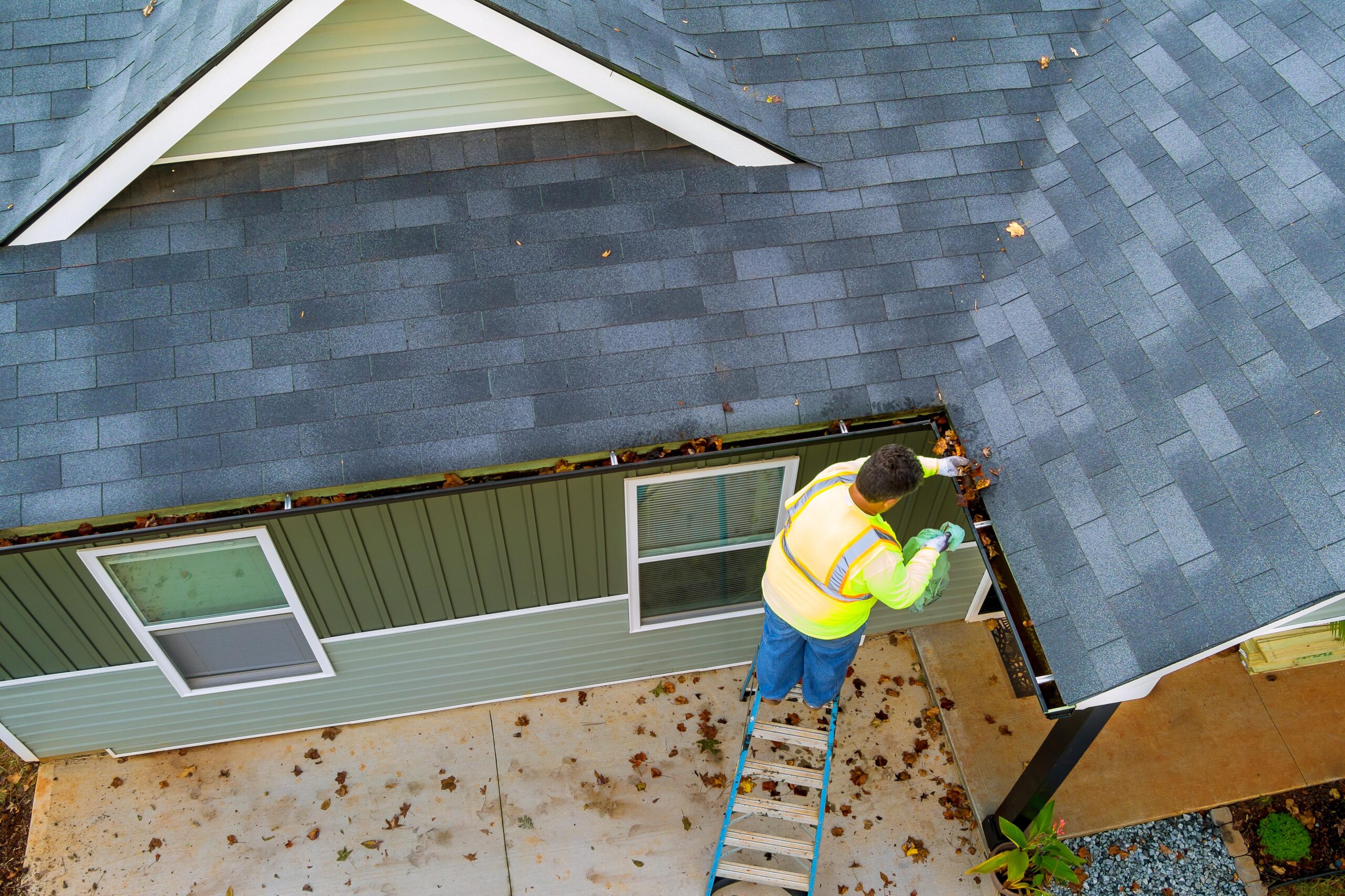
Clogged gutters are among the leading causes of roof and siding problems. When water cannot flow properly, it backs up under shingles, leading to leaks, rot, and ice dams in winter.
Maintenance routine:
- Clean gutters thoroughly at least twice a year (more often if you have heavy tree cover)
- Flush downspouts to ensure they are clear
- Check that gutters are properly sloped toward downspouts
- Inspect gutter hangers and fasteners for looseness
Helpful upgrades:
- Gutter guards or screens (especially useful for homes with many trees)
- Leaf filters or diverters in problem areas
- Heated gutter systems in regions with heavy snow and ice
Proper drainage protects not only your roof but also your foundation and landscaping.
Tree Management and Vegetation Control
Overhanging branches create multiple risks: physical abrasion, falling limbs during storms, and excessive shade that promotes moisture retention and organic growth.
Best practices:
- Maintain at least 6–10 feet of clearance between tree branches and your roof
- Remove dead or weakened limbs before storm season
- Consider professional arborist services for large or difficult trees
- Balance shade benefits with roof protection needs
This relatively simple step prevents many common forms of roof damage.
Managing Moss, Algae, and Lichen Growth
Organic growth is more than a cosmetic issue — it traps moisture against roofing materials and accelerates deterioration.
Prevention and treatment:
- Install zinc or copper strips along the roof ridge (these release compounds that inhibit growth)
- Use roof-safe cleaning solutions specifically formulated for moss and algae
- Improve sunlight exposure by trimming trees
- Avoid harsh pressure washing, which can damage shingles and void warranties
Address growth early before it becomes widespread and more difficult to manage.
Flashing, Seals, and Transition Areas
Many roof leaks originate not from the main roofing material but from the transition points where different surfaces meet.
Focus areas:
- Chimney flashing
- Plumbing vents and exhaust pipes
- Skylights and roof valleys
- Dormers and additions
Maintenance steps:
- Look for rust, separation, or deteriorated sealant
- Reapply high-quality roof sealant as needed
- Ensure step flashing and counterflashing are properly installed
These areas deserve special attention during every inspection.
Attic Ventilation and Insulation
Proper airflow is one of the most underappreciated factors in roof longevity.
Why it matters:
- Reduces heat buildup that degrades shingles
- Prevents moisture condensation in the attic
- Helps prevent ice dams in cold climates
Action steps:
- Ensure soffit vents, ridge vents, and gable vents are clear and functioning
- Check for proper baffles that prevent insulation from blocking airflow
- Maintain recommended insulation levels for your climate
- Consider adding ventilation if your attic feels stuffy or shows moisture signs
Many homeowners discover that improving ventilation provides benefits well beyond roof life, including lower energy bills.
Material-Specific Maintenance Tips
Asphalt Shingles:
- Monitor granule loss carefully
- Address curling edges promptly
- Watch for algae streaks in humid climates
Metal Roofing:
- Inspect screw fasteners and seams
- Clean debris that can trap moisture
- Check protective coatings for wear
Tile and Concrete:
- Look for cracked or displaced tiles
- Ensure proper underlayment condition
- Address moss growth between tiles
Wood Shakes:
- Monitor for rot and splitting
- Maintain proper ventilation to reduce moisture
Understanding your roof type allows you to focus your efforts where they matter most.
Seasonal Maintenance Checklist
Spring: Post-winter assessment, gutter cleaning, debris removal
Summer: Ventilation checks, tree trimming, heat damage monitoring
Fall: Heavy leaf cleanup, preparation for winter
Winter: Safe snow management (where applicable), ice dam monitoring
When to Call Professional Help
While many tasks are suitable for homeowners, certain situations require expert intervention:
- Widespread damage or multiple leaks
- Sagging roof sections
- Interior water stains
- Uncertainty about what you’re seeing
- Need for professional cleaning or coating application
Most experts recommend a professional inspection every 3–5 years, even if you perform regular self-checks.
Long-Term Strategies for Maximum Roof Longevity
- Keep detailed maintenance records
- Budget annually for routine care and inspections
- Address small issues immediately
- Consider professional maintenance service programs
- Stay informed about your specific roofing material’s needs
The Financial Impact of Good Maintenance
Consistent care typically costs $200–$1,000 per year but can prevent $10,000–$40,000+ in major repairs or early replacement. Many homeowners report that proactive maintenance easily pays for itself several times over during their ownership period.
Final Thoughts
Extending the life of your roof doesn’t require advanced technical skills or daily attention. It simply requires developing good habits, knowing what to look for, and acting promptly when issues arise. By investing modest time and resources into regular maintenance, you protect one of your largest home investments while enjoying greater peace of mind through every season.
Start today by scheduling your next inspection, cleaning your gutters, and documenting the current condition of your roof. Small, consistent actions create significant long-term benefits for your home and family.
If you have questions about your specific roof type, local climate challenges, or particular maintenance concerns, feel free to share details and I’d be happy to offer more targeted recommendations based on common situations homeowners face in 2026.
A well-maintained roof quietly rewards responsible homeowners with reliable protection and lasting value for many years to come.

Seraphina Vale is a passionate content writer and blogger with 3 years of blogging experience, specializing in creating engaging, well-researched, and reader-focused articles. She enjoys breaking down complex topics into clear, practical insights that help readers stay informed and make confident decisions.