Look, I get it. You’re thinking about going solar and suddenly you’re drowning in specs, warranties, and jargon that makes your head spin. I’ve been there. A few years ago I helped my parents install panels on their house, and what I learned is that it doesn’t have to be overwhelming if you have the right info.
Why 2026 is Actually a Great Time to Go Solar
Solar isn’t just “green” anymore — it’s genuinely one of the smartest financial moves most homeowners can make. Panel prices have dropped again, battery technology has improved dramatically, and many countries (and U.S. states) still have solid incentives before they potentially shrink.
In many places, you can now pay back your system in 5–8 years instead of the old 10–12. After that, you’re basically generating free electricity for the next 15–20 years. That hits different when your utility bill keeps climbing.
Energy independence feels real now. With increasing extreme weather and rising electricity rates, having your own power source isn’t just nice — it’s becoming smart security.
Step 1: Figure Out What You Actually Need
Don’t let a salesperson convince you that you need the biggest system on the block. Start here:
- Pull up your last 12 months of electricity bills and calculate your average daily kWh usage.
- Decide if you want a grid-tied, hybrid (with battery backup), or off-grid system.
- Consider your roof: size, direction, shading, and age.
- Get at least 3 quotes from reputable local installers.
Pro tip: In 2026, hybrid systems with batteries make way more sense than they did even two years ago. If you live somewhere with frequent outages or crazy time-of-use rates, don’t skip the battery conversation.
Step 2: Choosing the Right Panels and Equipment
There are three main types you’ll see right now:
- Monocrystalline — Most popular. Higher efficiency, better performance in low light, and that sleek all-black look.
- Polycrystalline — Usually cheaper but less efficient and bulkier.
- Thin-film — Rarely used for standard home rooftops these days.
Don’t obsess too much over chasing the absolute highest efficiency ratings. A solid Tier 1 brand (Qcells, REC, Canadian Solar, Trina, or Maxeon) with a 25–30 year warranty will serve you better than paying extra for marginal gains if the installer cuts corners elsewhere.
Inverters matter just as much as the panels. String inverters are cheaper, but microinverters (Enphase) or power optimizers (SolarEdge) are worth it if you have any shading issues or a complex roof.
Batteries: Should You Add Storage?
This is the biggest question in 2026. Batteries have come a long way. Systems like Tesla Powerwall, Enphase IQ, FranklinWH, and Sonnen are much more capable and affordable than before.
When it makes sense:
- You lose power often
- Your utility has expensive peak rates
- You want maximum independence
- You’re planning for future electric vehicles or home electrification
When you can skip it for now: If you have reliable grid power and good net metering, start with panels only and add batteries later (most systems are expandable).
The Installation Process (What Actually Happens)
- Site assessment – Installer visits, measures everything, checks shading and roof condition.
- Permitting – The bureaucratic headache. Can take anywhere from 2 to 10 weeks depending on where you live.
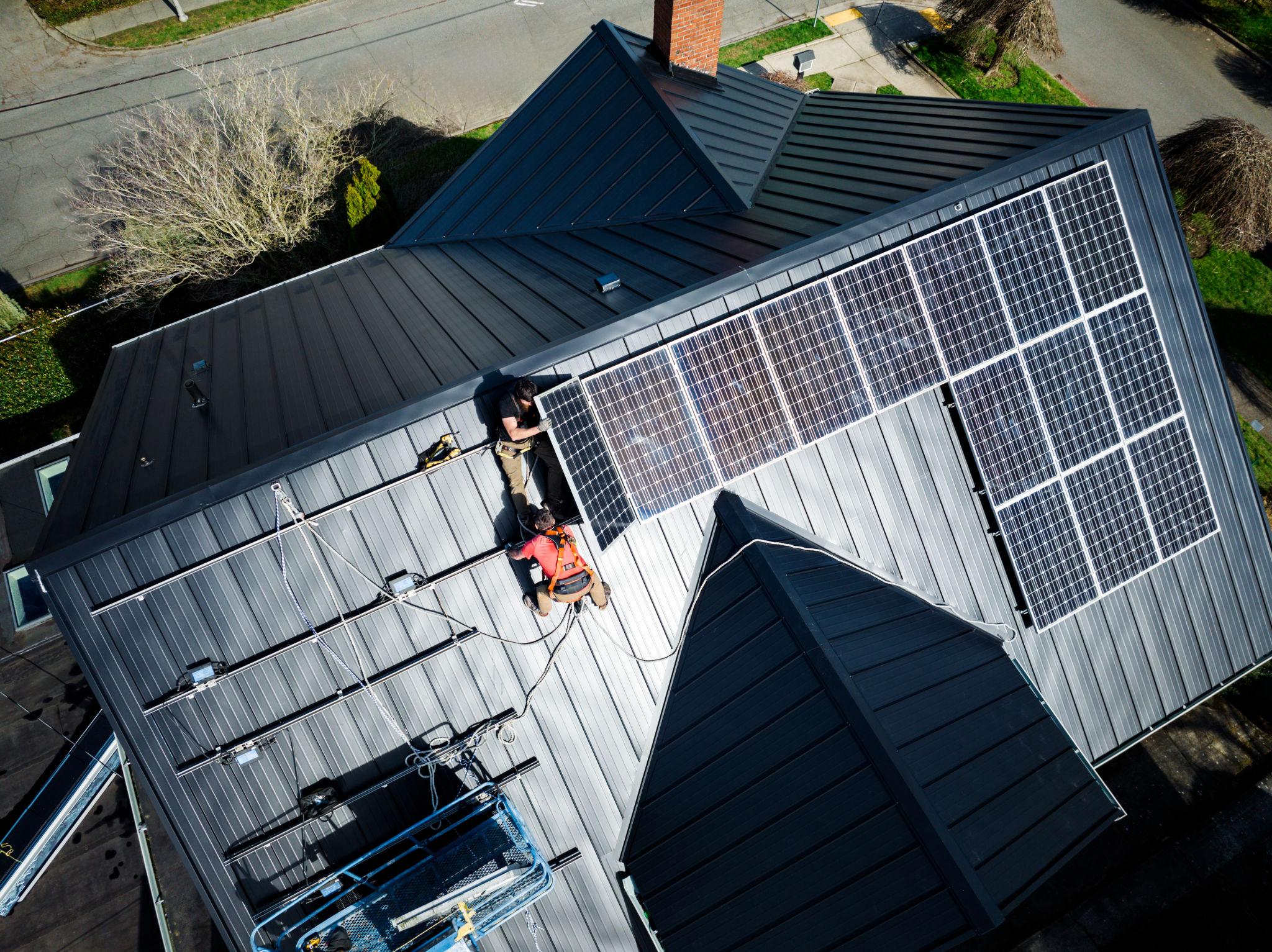
- Installation day – Usually 1–3 days. Expect a crew on your roof mounting rails, installing panels, and running wiring.
- Inspection – Local building department signs off.
- Utility interconnection – They approve the system and flip the switch.
Real talk: The actual installation day is usually exciting and smooth. The waiting game (permits + utility) is where patience gets tested.
How Much Does It Actually Cost in 2026?
- Average 6–10 kW system: $18,000 – $35,000 before incentives
- After the 30% federal tax credit (U.S.) and local rebates: Many homeowners are landing between $12,000 – $25,000 out of pocket.
Financing options are everywhere — solar loans, HELOCs, leases, and PPAs. My personal advice: Buy the system if you can (or finance with a low-interest loan). You get the full tax credit and own the asset. Leases and PPAs often save less in the long run.
Choosing the Right Installer (This Matters Most)
This is where most people mess up. Look for:
- NABCEP certification
- At least 5+ years of local experience
- Strong reviews on Google and local Facebook groups
- Transparent pricing (no “too good to be true” lowball quotes)
- Good communication
Ask them: “What happens if something breaks in year 12?” The best installers have clear answers and solid support.
Common Mistakes to Avoid
- Choosing the cheapest bidder
- Ignoring roof condition (replace roof first if needed)
- Not understanding your local net metering rules
- Skipping the battery conversation entirely
- Signing a contract on the first visit without comparing quotes
- Under-sizing your system because you’re trying to save money upfront
Maintenance: Easier Than You Think
Modern solar systems are low-maintenance. Clean panels once or twice a year (rain does most of the work in many areas). Monitor performance through the app. Replace inverters every 10–15 years if needed. That’s basically it. Most quality components come with 25-year warranties on panels.
What to Expect After Going Solar
The first month feels magical when you check the app and see yourself producing power. You’ll probably become a bit obsessed with watching your production vs consumption — most of us do.
Over time, you’ll notice smaller bills, more peace of mind during storms, and the satisfaction of knowing you’re generating clean energy. Some people even report their home value increasing by $15k–$30k+.
Looking Ahead: Solar in Late 2026 and Beyond
We’re seeing better integration with smart homes, vehicle-to-home technology (your EV powering your house), and even more efficient panels hitting the market. The industry is maturing fast, which means better products and (hopefully) more competition keeping prices reasonable.
Final Thoughts
Going solar in 2026 is less of a gamble and more of a calculated investment for most homeowners. Do your homework, get multiple quotes, and work with people you trust. The technology is solid, the math often works, and the feeling of producing your own power is genuinely rewarding.
If you’re serious, start by pulling your electricity bills and getting a couple of local quotes this month. The process takes time, but it’s worth it.
Have you already started looking into solar, or are you just in the research phase? Drop your biggest question in the comments — happy to help point you in the right direction.

Seraphina Vale is a passionate content writer and blogger with 3 years of blogging experience, specializing in creating engaging, well-researched, and reader-focused articles. She enjoys breaking down complex topics into clear, practical insights that help readers stay informed and make confident decisions.