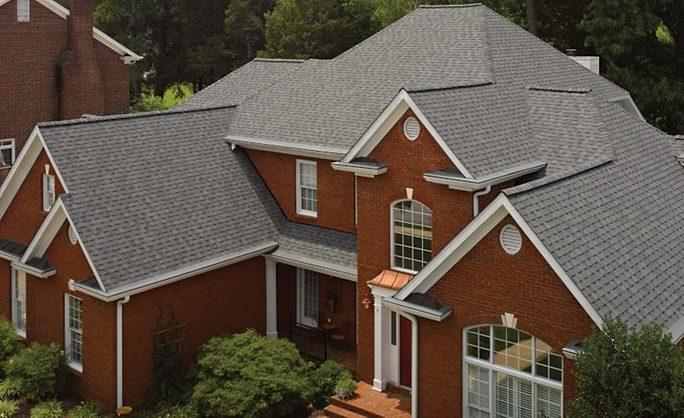
Choosing a new roofing system is one of the biggest decisions a homeowner can make when building, renovating, or replacing a roof. In the United States, two of the most popular choices are metal roofing and asphalt shingles. Both materials can provide reliable protection from weather, but they differ considerably in price, durability, lifespan, maintenance, energy efficiency, appearance, and long-term value.
For homeowners working with a limited budget, asphalt shingles are often attractive because their initial installation cost is relatively affordable and contractors are widely available. Metal roofing, on the other hand, generally requires a larger upfront investment but can last substantially longer and may provide advantages in areas exposed to severe weather.
In 2026, the decision between metal and asphalt roofing is not simply about which material is cheaper. Homeowners need to consider how long they expect to remain in the property, the local climate, the home’s architectural style, maintenance requirements, energy costs, insurance considerations, and the expected lifespan of the roofing system.
A typical asphalt-shingle roof may last roughly 15–30 years, depending on the product, installation quality and environmental conditions. Metal roofing can commonly last 40–70 years or more, depending on the metal, coating, installation and maintenance. The longer service life of metal roofing can make its higher upfront price worthwhile for some homeowners.
At the same time, asphalt shingles remain an excellent choice for millions of American homes. They are easy to source, available in numerous styles and colors, relatively straightforward to install, and generally less expensive to replace.
So, which is better: metal roofing or asphalt shingles?
The answer depends on your priorities.
If your main goal is lower upfront cost, asphalt shingles are usually the better option. If you prioritize long-term durability and lifespan, metal roofing may offer greater value over several decades.
This guide compares metal roofs and asphalt shingles in detail so you can determine which option makes the most sense for your home in 2026.
Metal Roof vs. Asphalt Shingles at a Glance
| Feature | Metal Roofing | Asphalt Shingles |
|---|---|---|
| Initial Cost | Higher | Lower |
| Typical Lifespan | 40–70+ years | 15–30 years |
| Installation | More specialized | Widely available |
| Maintenance | Generally low | Low to moderate |
| Weather Resistance | Excellent | Good to very good |
| Fire Resistance | Excellent for many systems | Varies by product |
| Energy Efficiency | Potentially excellent | Moderate to good |
| Design Options | Many | Very extensive |
| Weight | Usually lightweight | Moderate |
| Long-Term Cost | Potentially lower | Usually higher over multiple replacements |
| Best For | Long-term ownership | Budget-conscious homeowners |
What Is an Asphalt Shingle Roof?
Asphalt shingles are the most common residential roofing material in the United States.
They consist primarily of a fiberglass or organic base coated with asphalt and covered with mineral granules. Modern asphalt shingles are available in several styles, with architectural shingles being particularly popular for homeowners seeking a more dimensional appearance.
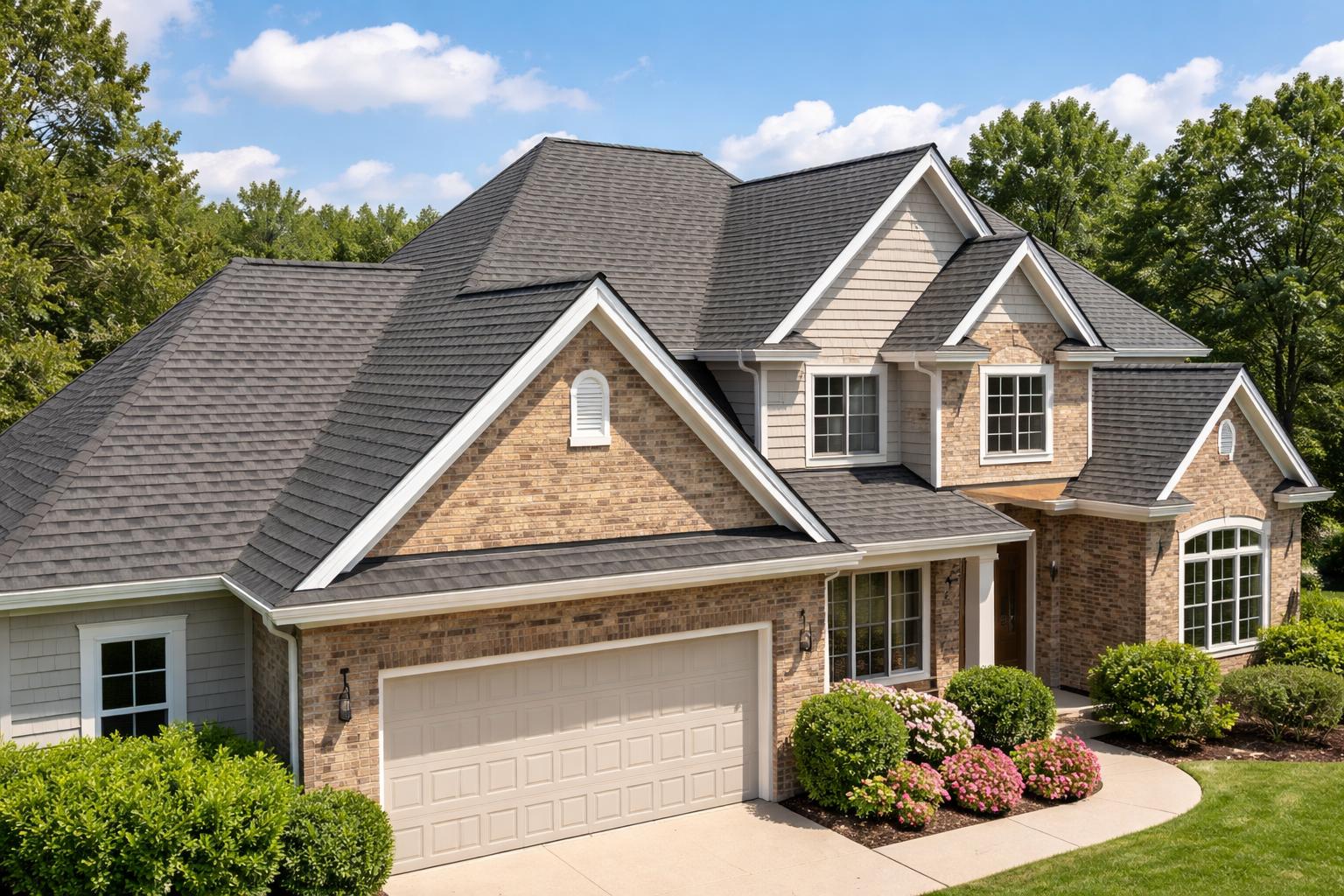
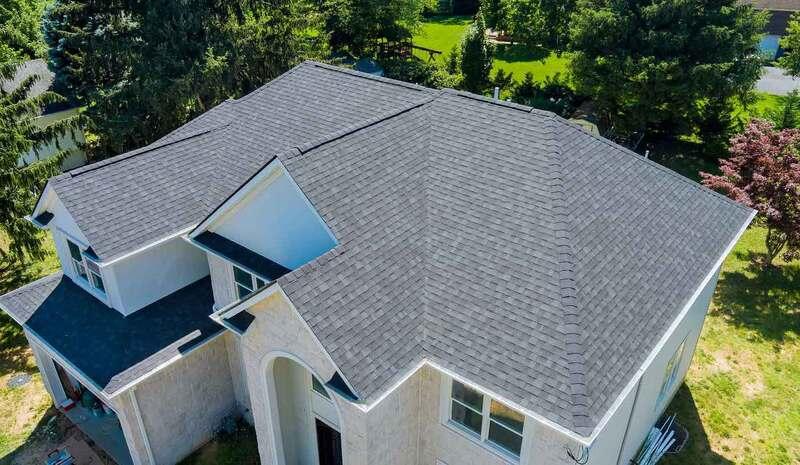
Three-tab shingles are generally less expensive, while architectural and premium shingles offer enhanced aesthetics and, depending on the product, improved durability.
One of the biggest advantages of asphalt shingles is their familiarity. There are thousands of roofing contractors across the country experienced in installing them, making repairs and replacements relatively straightforward.
What Is a Metal Roof?
Metal roofing is available in several forms, including standing-seam panels and exposed-fastener systems.
Common metals used for residential roofing include:
- Steel
- Aluminum
- Copper
- Zinc
Steel and aluminum are particularly common residential choices.
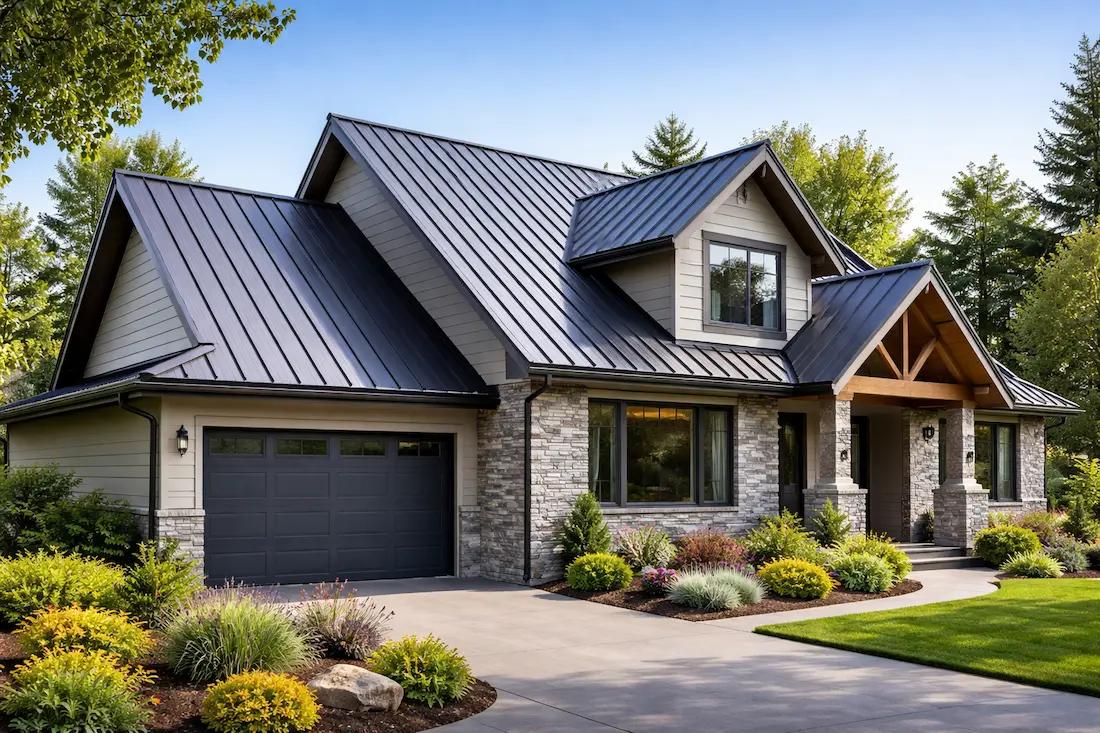
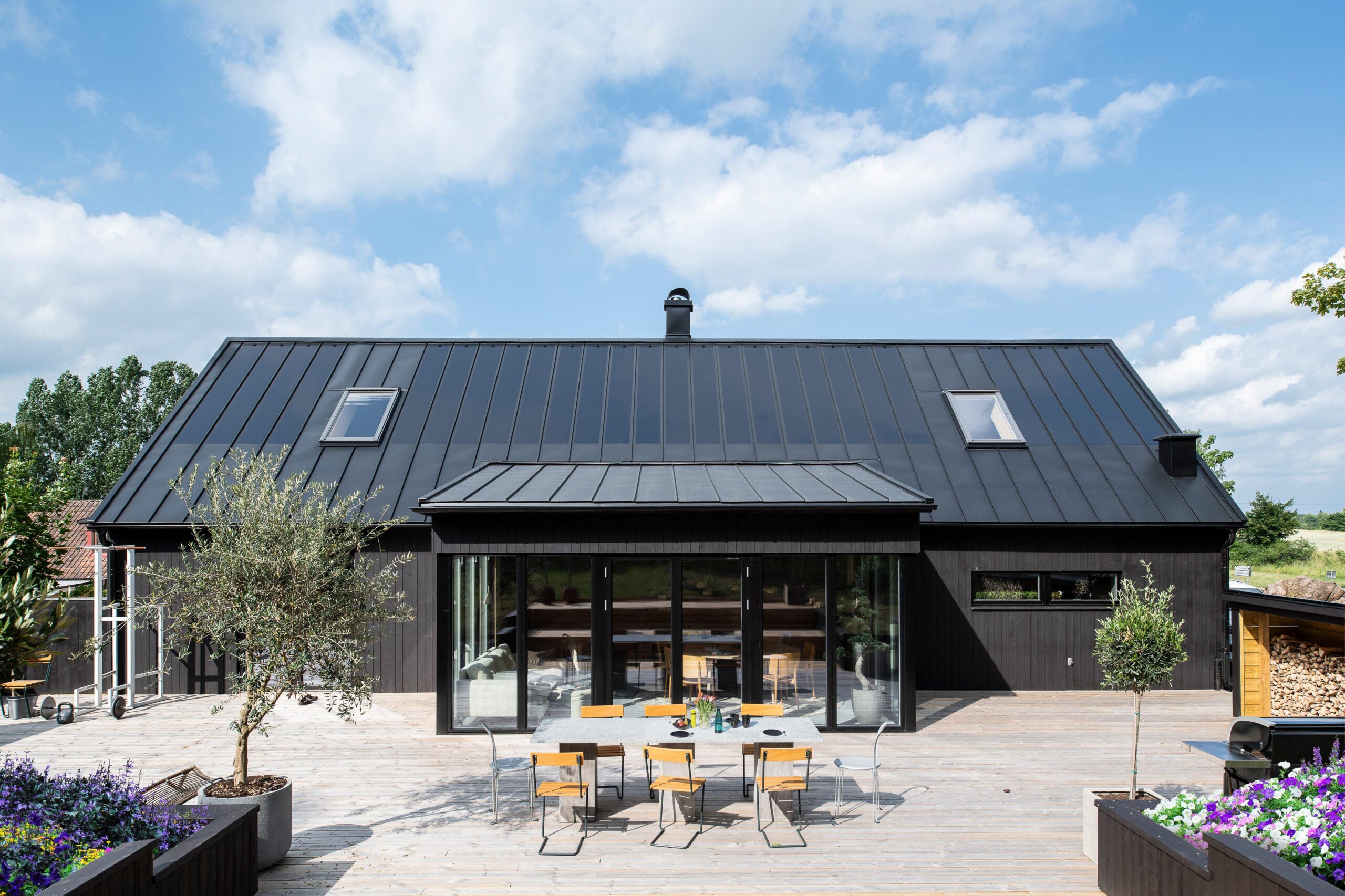
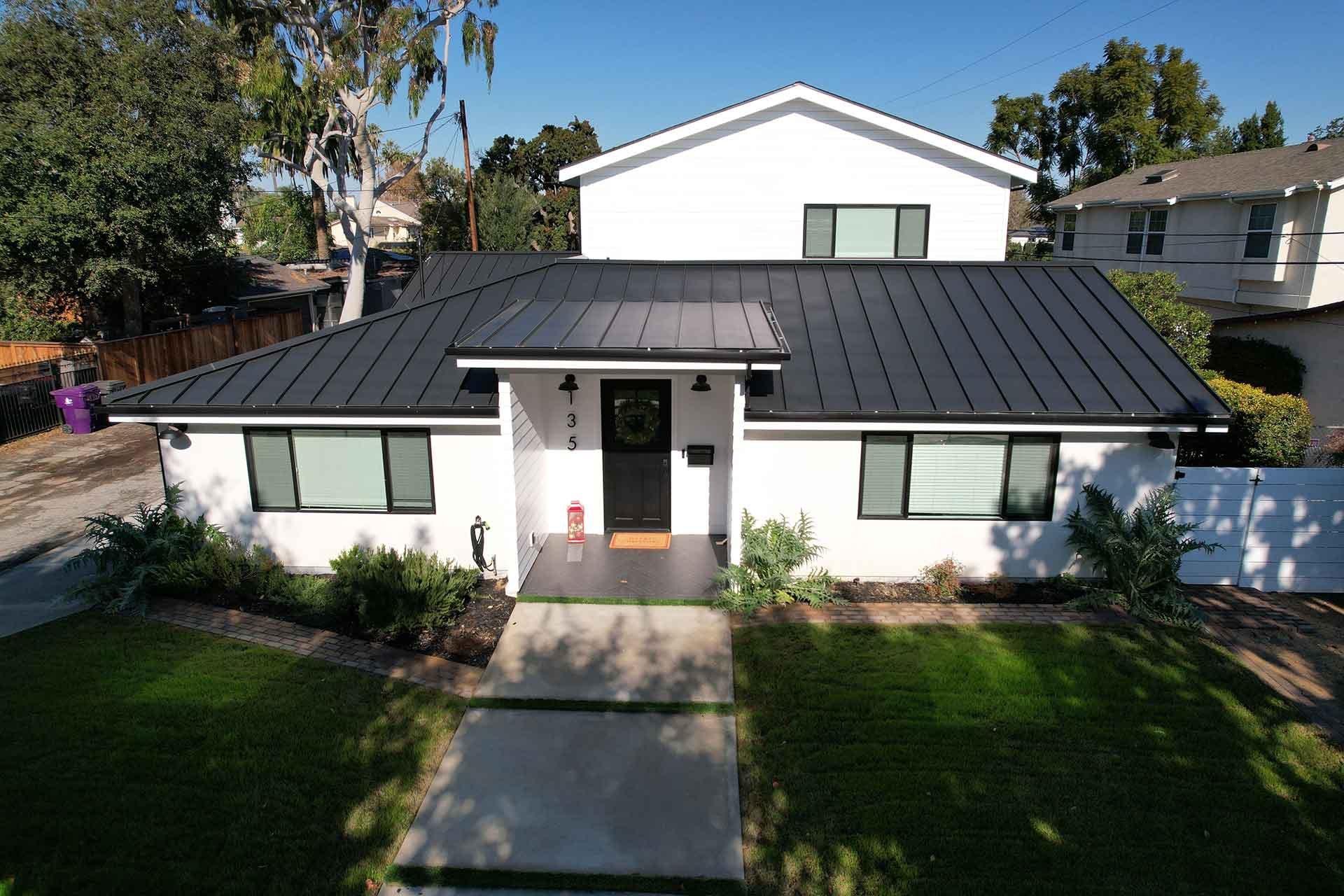
Metal roofing can be manufactured in a wide range of colors and profiles, allowing homeowners to achieve either a traditional or modern appearance.
Although metal roofs typically cost more initially than asphalt shingles, their long service life is one of their biggest selling points.
Metal Roof Cost vs. Asphalt Shingle Cost
The biggest difference homeowners notice initially is the price.
Asphalt Shingle Cost
A typical asphalt-shingle roof replacement can cost approximately $8,000 to $16,000 for many U.S. homes, although the actual price depends on roof size, shingle type, labor rates, location and roof complexity.
Installed Cost per Square Foot
$4–$8
Asphalt
$9–$16
Metal (corrugated)
$12–$25
Standing seam
Illustrative ranges — adjust to your 2026 regional data.
Basic asphalt shingles generally sit at the lower end of the market, while architectural and premium shingles can cost more.
Metal Roof Cost
Metal roofing generally costs substantially more.
A typical residential metal roof can cost approximately $14,000 to $30,000 or more, depending on the metal, roof size, design, labor and installation method.
Standing-seam metal roofing is generally more expensive than basic exposed-fastener metal systems.
Why Is Metal More Expensive?
Metal roofing can have a higher price because of:
- Material costs
- Specialized installation
- Custom fabrication
- Flashing requirements
- Roof complexity
- Higher labor costs
- Underlayment and accessories
- Removal of existing roofing
The higher initial investment is one of the main reasons homeowners choose asphalt shingles instead.
Which Has the Longer Lifespan?
This is one category where metal roofing has a significant advantage.
Asphalt Shingle Lifespan
Depending on the product and environmental conditions, asphalt shingles can commonly last around 15–30 years.
Basic shingles tend to have shorter expected lifespans, while higher-quality architectural and premium products can last longer.
Climate also matters.
Extreme heat, UV exposure, high winds, hail, moisture and poor attic ventilation can shorten a roof’s useful life.
Metal Roof Lifespan
A properly installed metal roof can commonly last approximately 40–70 years, and some high-quality systems can last even longer with appropriate maintenance.
This means a homeowner who plans to stay in the same house for several decades may replace an asphalt roof more than once while potentially installing a metal roof only once.
Which Roofing Material Is More Durable?
Metal generally has the advantage in overall durability.
A properly installed metal roof can withstand many forms of severe weather, including:
- Heavy rain
- High winds
- Snow
- Hail
- Sun exposure
- Temperature fluctuations
However, metal roofing is not completely immune to damage.
Large hail can dent some metal panels, particularly softer metals or thinner products.
Asphalt shingles can also perform very well when properly selected and installed. Modern impact-resistant shingles can provide enhanced protection in hail-prone areas.
The specific product and installation quality matter just as much as the material category.
Metal Roofing vs. Asphalt Shingles in Severe Weather
Weather is particularly important in the United States because roofing requirements vary dramatically by region.
High Winds
Metal roofing can provide excellent wind resistance when correctly installed.
However, homeowners should examine the product’s tested wind rating rather than assuming every metal roof performs identically.
High-quality asphalt shingles can also be designed for strong wind resistance.
Hail
Hail can damage both roofing materials.
Metal panels can dent, while asphalt shingles can lose granules or develop impact damage.
Homeowners in hail-prone regions should ask contractors about impact-resistant roofing products.
Heavy Snow
Both systems can be used in snowy regions.
Roof pitch, structural design, snow load requirements and installation details are critical.
Metal roofs can allow snow to slide off more easily, which can be beneficial but may also require snow guards in certain applications to control falling snow.
Hurricanes
In hurricane-prone states such as Florida, Texas and parts of the Southeast, wind-rated roofing systems are particularly important.
Homeowners should select products that meet applicable local building codes and wind requirements rather than choosing solely based on material.
Which Is More Energy Efficient?
Metal roofing can offer excellent energy performance, particularly when combined with appropriate coatings, insulation and ventilation.
Reflective metal roofing can reduce solar heat absorption in certain climates.
This can be especially useful in hot regions of the United States.
However, the overall energy performance of a roof isn’t determined by the outer roofing material alone.
It also depends on:
- Attic insulation
- Roof ventilation
- Roof color
- Underlayment
- Air sealing
- Building design
- Local climate
A properly designed asphalt-shingle roof can also provide good energy performance.
Which Roof Is Easier to Maintain?
Both materials can be relatively low maintenance when properly installed.
Asphalt Shingle Maintenance
Homeowners should periodically check for:
- Missing shingles
- Curling shingles
- Cracked shingles
- Granule loss
- Moss or algae
- Damaged flashing
- Roof leaks
Minor problems can often be repaired without replacing the entire roof.
Metal Roof Maintenance
Metal roofs should also be inspected periodically.
Homeowners should look for:
- Loose fasteners
- Damaged panels
- Corrosion
- Failed sealants
- Damaged flashing
- Blocked drainage
- Coating deterioration
Metal roofing generally doesn’t require frequent maintenance, but inspections can help identify small problems before they become expensive.
Which Roof Looks Better?
Appearance is subjective.
Asphalt shingles have an enormous advantage in terms of familiarity and design variety.
They can be manufactured to imitate:
- Wood shakes
- Slate
- Traditional shingles
- Luxury roofing materials
Metal roofing also offers numerous styles.
Modern standing-seam metal can create a sleek contemporary appearance, while metal shingles can imitate traditional roofing designs.
The best choice depends on your home’s architecture and personal preferences.
Metal Roof vs. Asphalt: Weight
Metal roofing is generally lightweight compared with many traditional roofing materials.
This can be beneficial when replacing an existing roof.
However, homeowners should still have the roof structure evaluated before installation, particularly if changing from one roofing material to another.
Structural requirements vary depending on the building and local codes.
Is Metal Roofing Noisier?
This is a common concern.
Metal roofs can produce more noticeable rain or hail noise when installed without appropriate insulation or underlayment.
However, modern residential metal roofing systems are not necessarily excessively noisy.
Proper roof assembly, attic insulation and underlayment can significantly reduce sound transmission.
For many homeowners, the noise difference is minimal once the complete roofing system is installed correctly.
Is Metal Roofing More Environmentally Friendly?
Metal roofing can have an environmental advantage because many metal roofing products contain recycled content and can potentially be recycled at the end of their service life.
Its long lifespan also means fewer complete roof replacements over the life of the building.
Asphalt shingles, meanwhile, are replaced more frequently and can create significant quantities of roofing waste.
Recycling options for asphalt shingles are available in some areas, but availability varies by location.
Which Roof Is Better for Resale Value?
There is no universal answer.
A new roof of either type can make a property more attractive to buyers because it reduces the likelihood of immediate roofing expenses.
Metal roofing may appeal to buyers who value longevity and durability.
Asphalt shingles may appeal to buyers who prefer a traditional appearance and lower replacement costs.
The local housing market also matters.
A premium metal roof may not provide the same financial benefit in every market.
Metal Roof vs. Asphalt Shingles: Long-Term Cost
The initial price doesn’t tell the entire story.
Consider a hypothetical homeowner who stays in a property for 50 years.
An asphalt roof lasting approximately 20 years could require two or even three major replacements during that period.
A properly installed metal roof could potentially remain in service throughout much of that same period.
This doesn’t mean metal roofing will always be cheaper.
Interest costs, installation prices, maintenance, repairs and local conditions all affect the calculation.
However, homeowners planning to remain in the property for decades should consider lifecycle cost, not just installation price.
Approximate service-life ranges commonly used for residential roofing comparisons.
015304560Asphalt shinglesMetal roofing
Actual lifespan varies with product quality, installation, climate and maintenance.
Which Is Better for a Budget-Conscious Homeowner?
If your primary concern is keeping the initial project affordable, asphalt shingles usually win.
They generally require less upfront investment and are widely available.
Asphalt also makes sense when:
- You plan to sell the home relatively soon.
- Your budget is limited.
- You want a traditional appearance.
- You want easy access to roofing contractors.
- You don’t expect to remain in the property for several decades.
Which Is Better for Long-Term Homeowners?
If you’re planning to stay in your home for several decades, metal roofing deserves serious consideration.
Its longer lifespan can reduce the frequency of major roof replacements.
Metal may be particularly attractive if you prioritize:
- Long-term durability
- Low maintenance
- Severe-weather resistance
- Energy efficiency
- Longevity
- Modern appearance
The higher initial cost may be easier to justify when spread across a much longer service life.
Metal Roof vs. Asphalt Shingles: Pros and Cons
Metal Roofing Pros
- Very long lifespan
- Excellent durability
- Strong weather resistance
- Low maintenance
- Many style options
- Potential energy-efficiency benefits
- Can be recyclable
- Lightweight compared with many roofing materials
Metal Roofing Cons
- Higher upfront cost
- Installation can require specialized contractors
- Some systems can dent from severe hail
- Repairs may be more specialized
- Initial investment can be difficult for budget-conscious homeowners
Asphalt Shingle Pros
- Lower initial cost
- Widely available
- Easy to repair
- Many colors and styles
- Large number of experienced contractors
- Suitable for most residential designs
- Straightforward replacement
Asphalt Shingle Cons
- Shorter lifespan
- More frequent replacement
- Can lose granules
- Vulnerable to certain types of severe weather
- Generally less durable over multiple decades
Which Roofing Material Should You Choose?
The best roofing material depends on your circumstances.
Choose asphalt shingles if your priority is affordability, easy installation and a traditional residential appearance.
Choose metal roofing if you’re willing to spend more upfront in exchange for a longer expected service life, strong durability and potentially lower long-term replacement frequency.
There is no universally superior roofing system.
A high-quality asphalt roof installed correctly can outperform a poorly installed metal roof.
Likewise, an inexpensive metal system isn’t automatically better than a premium architectural shingle system.
Installation quality matters enormously.
How to Compare Roofing Contractors
Regardless of which material you choose, get multiple estimates before making a decision.
Ask each contractor to provide:
- Complete material specifications
- Roof measurements
- Labor costs
- Tear-off costs
- Disposal fees
- Underlayment details
- Flashing details
- Ventilation requirements
- Warranty information
- Estimated project duration
- Payment schedule
- License and insurance information
Don’t compare estimates based solely on the final dollar amount.
A contractor offering a much lower price may be using a lower-quality product or excluding important components from the estimate.
Final Verdict: Metal Roof or Asphalt Shingles?
For most homeowners, the choice comes down to upfront affordability versus long-term durability.
Asphalt shingles are the better choice for lower initial cost.
Metal roofing is generally the better choice for long-term lifespan and durability.
If you expect to move within the next several years, asphalt shingles may provide the most practical balance of cost and performance.
If you plan to remain in your home for 20, 30 or more years, the longer lifespan of metal roofing can make its higher initial investment more attractive.
Ultimately, the right decision depends on your budget, climate, home design, expected ownership period and long-term priorities.
Before making a final decision, get several professional estimates and compare the complete roofing systems, not just the price of the visible roofing material.
Frequently Asked Questions
Is a metal roof cheaper than asphalt shingles?
No. Metal roofing typically costs more upfront than asphalt shingles. However, its longer expected lifespan can potentially make it competitive when considering long-term ownership costs.
How long does an asphalt shingle roof last?
Many asphalt shingle roofs last approximately 15–30 years, depending on product quality, installation, climate and maintenance.
How long does a metal roof last?
A properly installed metal roof can commonly last 40–70 years or more, depending on the material, coating, installation and environmental conditions.
Is metal roofing worth the extra money?
It can be, particularly for homeowners who plan to remain in their home for many years and prioritize durability and longevity.
Which is better in hot weather?
Both can perform well, but appropriately designed reflective metal roofing can provide strong solar-reflective performance. Attic insulation and ventilation are also extremely important.
Which roof is better in heavy rain?
Both can perform well when properly installed. The quality of flashing, underlayment, drainage and installation is critical.
Can you install a metal roof over asphalt shingles?
In some situations, metal roofing can be installed over existing shingles, but this depends on the existing roof condition, local building codes and the specific metal roofing system. A professional inspection should determine whether this is appropriate.
Which roofing material is best for a long-term home?
Metal roofing is generally the stronger choice if your primary priority is a long service life. However, high-quality asphalt shingles can still be an excellent option when initial cost is more important.
What is the biggest advantage of asphalt shingles?
The biggest advantage is generally affordability combined with widespread availability and easy installation.
What is the biggest advantage of metal roofing?
The biggest advantage is longevity and durability. A properly installed metal roof can potentially remain functional for several decades longer than a standard asphalt roof.

Seraphina Vale is a passionate content writer and blogger with 3 years of blogging experience, specializing in creating engaging, well-researched, and reader-focused articles. She enjoys breaking down complex topics into clear, practical insights that help readers stay informed and make confident decisions.