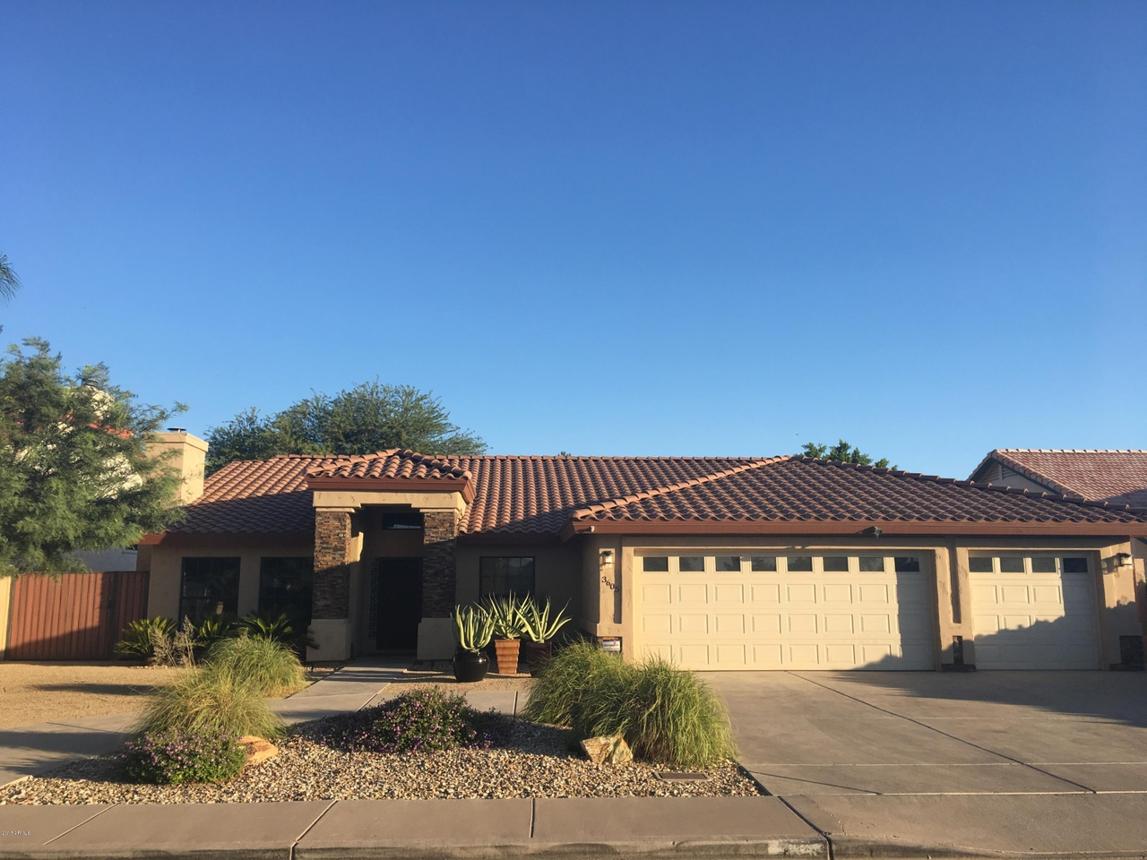
Arizona is one of the most demanding environments for residential roofing in the United States. Homeowners in Phoenix, Scottsdale, Mesa, Tucson, Chandler, Gilbert, and other desert communities have to deal with intense sunshine, extreme summer temperatures, powerful UV exposure, large temperature swings, dust, and seasonal monsoon storms.
Because of these conditions, choosing a roofing material in Arizona is different from choosing a roof in a cooler or wetter state. A material that performs well in the Pacific Northwest, for example, may not provide the same lifespan or energy performance under Arizona’s relentless desert sun.
The best roofing materials for Arizona generally include concrete tile, clay tile, reflective metal roofing, cool-rated asphalt shingles, and specialized systems such as spray polyurethane foam for flat and low-slope roofs. Current Arizona roofing comparisons consistently identify tile and metal as particularly strong performers for pitched residential roofs, while foam and reflective membrane systems can be excellent choices for flat roofs. Tempe Roofing Repair
However, there is no single roofing material that is perfect for every Arizona home. Roof slope, structural capacity, budget, HOA requirements, energy-efficiency goals, maintenance expectations, and the amount of time you intend to stay in the property should all influence the decision.
Why Arizona’s Climate Is So Hard on Roofing
Arizona’s hot climate creates several challenges that can accelerate roof deterioration.
Extreme Summer Temperatures
Arizona regularly experiences extremely hot summer conditions, particularly in desert communities. The roof surface can become considerably hotter than the surrounding air when exposed to direct sunlight.
That heat can accelerate the aging of roofing materials, underlayment, sealants, flashing and other components.
Intense UV Exposure
UV radiation is another major concern. Continuous sunlight can gradually break down roofing materials, particularly lower-quality asphalt products, coatings and exposed sealants.
A roofing material that might last longer in a mild climate can have a shorter practical lifespan in Arizona because of the combination of UV exposure and heat.
Thermal Expansion and Contraction
Arizona roofs also experience significant temperature cycling.
A roof can become extremely hot during the afternoon and then cool substantially after sunset. Repeated expansion and contraction can place stress on fasteners, seams, flashing and other roofing components. Tempe Roofing Repair
Monsoon Storms
Arizona’s summer monsoon season adds another challenge.
Strong winds, heavy rainfall, blowing dust and occasional hail can test the roof’s flashing, drainage, underlayment and surface materials. Consequently, heat resistance alone should not determine which roofing system you choose.
Best Roofing Materials for Arizona at a Glance
| Roofing Material | Heat Performance | Typical Lifespan | Best For |
|---|---|---|---|
| Concrete Tile | Excellent | 40–50+ years | Pitched residential roofs |
| Clay Tile | Excellent | 50+ years | Premium desert homes |
| Metal Roofing | Excellent | 40–60+ years | Long-term performance |
| Cool Asphalt Shingles | Good | 15–25 years | Budget-conscious homeowners |
| Spray Foam | Excellent | Varies with maintenance | Flat/low-slope roofs |
| TPO/PVC | Excellent | 20–30+ years | Flat and commercial roofs |
These are broad ranges rather than guarantees. Actual service life depends on product quality, installation, roof design, weather exposure and maintenance. Tempe Roofing Repair
Concrete Tile Roofing
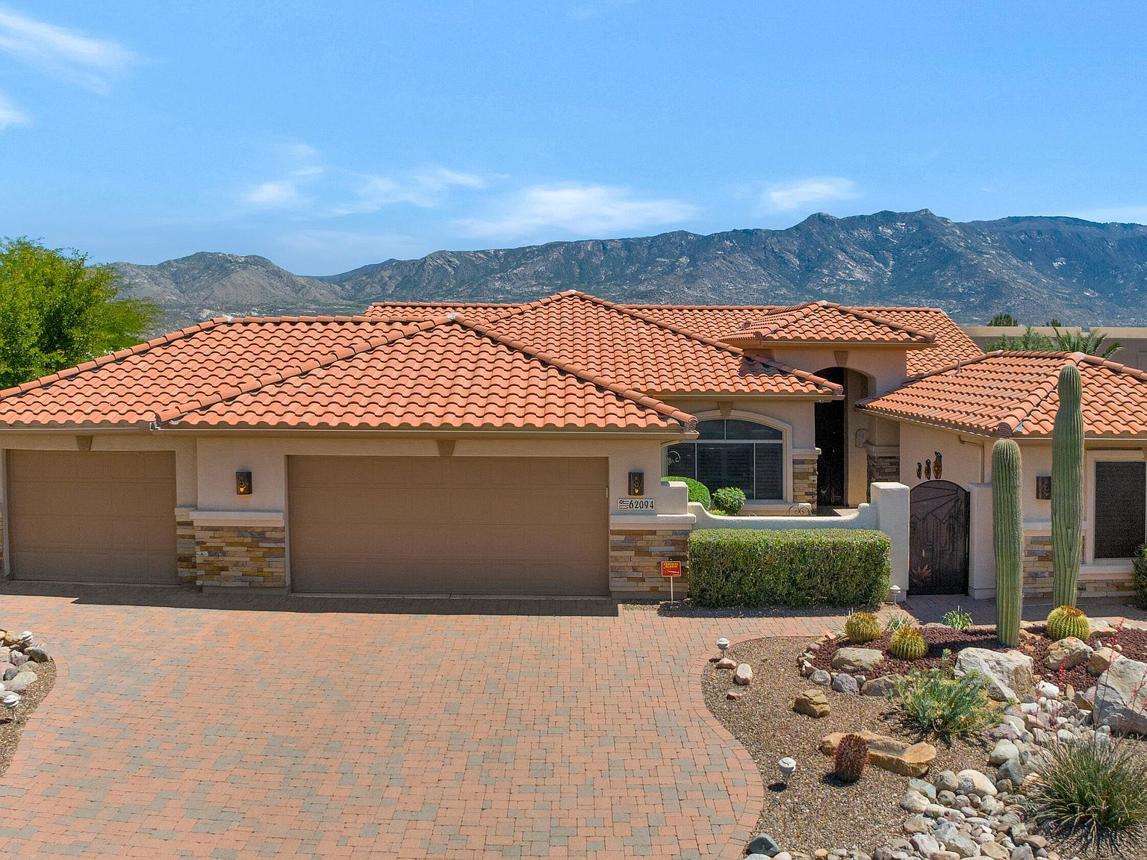
Concrete tile is one of the most popular roofing materials in Arizona, particularly around the Phoenix metropolitan area.
Advantages of Concrete Tile
Concrete tile offers several important benefits:
- Excellent resistance to extreme heat
- Long service life
- Strong fire resistance
- Good UV durability
- Attractive Southwestern appearance
- Numerous colors and profiles
- Good performance when properly installed
Tile itself can remain serviceable for decades, although the underlayment beneath the tile has a shorter expected life and may eventually require replacement. Arizona roofing sources commonly place tile underlayment life around 15–25 years depending on the system and installation. Triumph Roofing
Disadvantages of Concrete Tile
The biggest disadvantage is weight.
Concrete tile is substantially heavier than asphalt shingles and some metal roofing systems. Before installing tile on a home that wasn’t originally designed for it, a professional should determine whether the structure can support the additional load.
Tiles can also crack if improperly walked on, making maintenance and repairs something that should be handled carefully.
Is Concrete Tile Good for Phoenix?
For many Phoenix-area homes, yes.
Concrete tile is particularly well suited to the region’s combination of intense heat, strong sunlight and Southwestern architectural styles. It is also common in communities where tile is part of the neighborhood’s established appearance. Tempe Roofing Repair
Clay Tile Roofing
Clay tile is another excellent choice for Arizona’s desert environment.
Benefits of Clay Tile
Clay tile provides:
- Excellent heat resistance
- Strong UV resistance
- Very long potential service life
- Fire resistance
- Attractive appearance
- Excellent suitability for Southwestern and Mediterranean architecture
For homeowners planning to remain in a property for decades, clay tile can be an attractive long-term investment.
Disadvantages of Clay Tile
The primary drawbacks are cost and weight.
Clay tile can cost more than asphalt shingles and may require a structure capable of supporting the roofing system.
It can also be more difficult and expensive to repair because matching older or discontinued tile can sometimes be challenging.
Metal Roofing
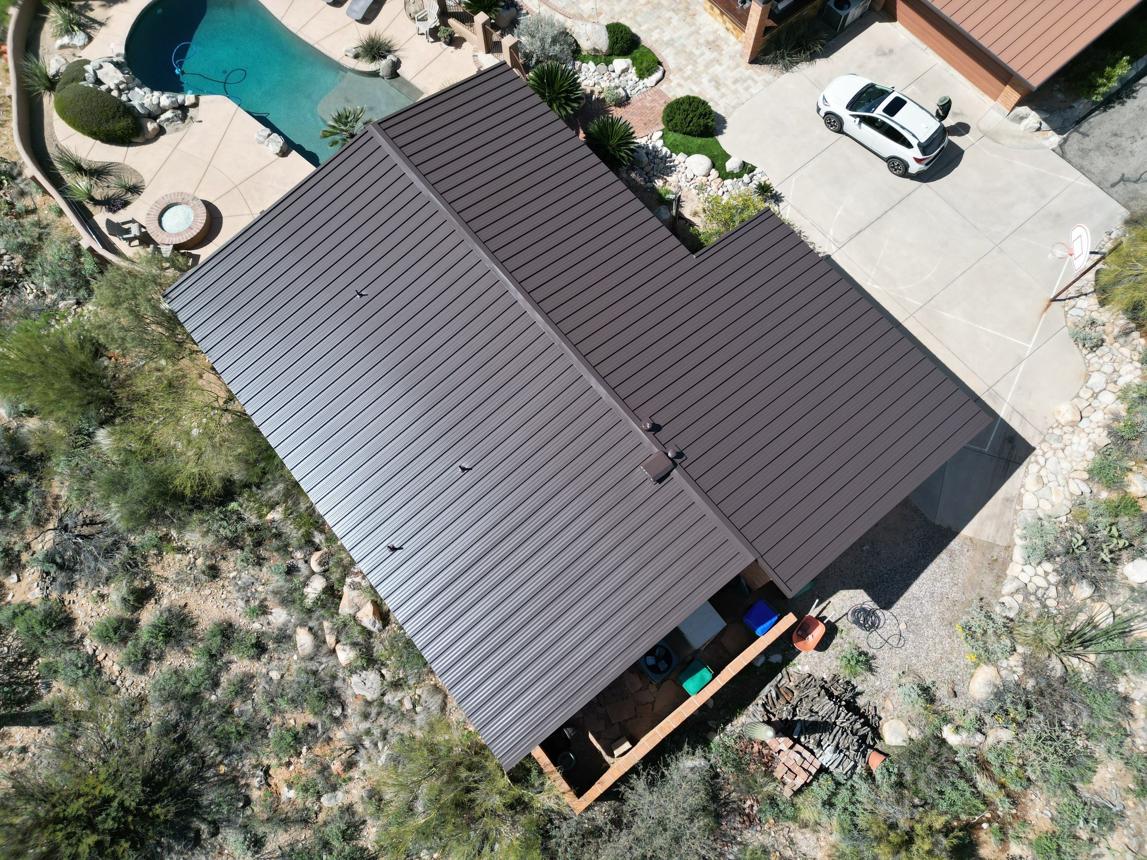
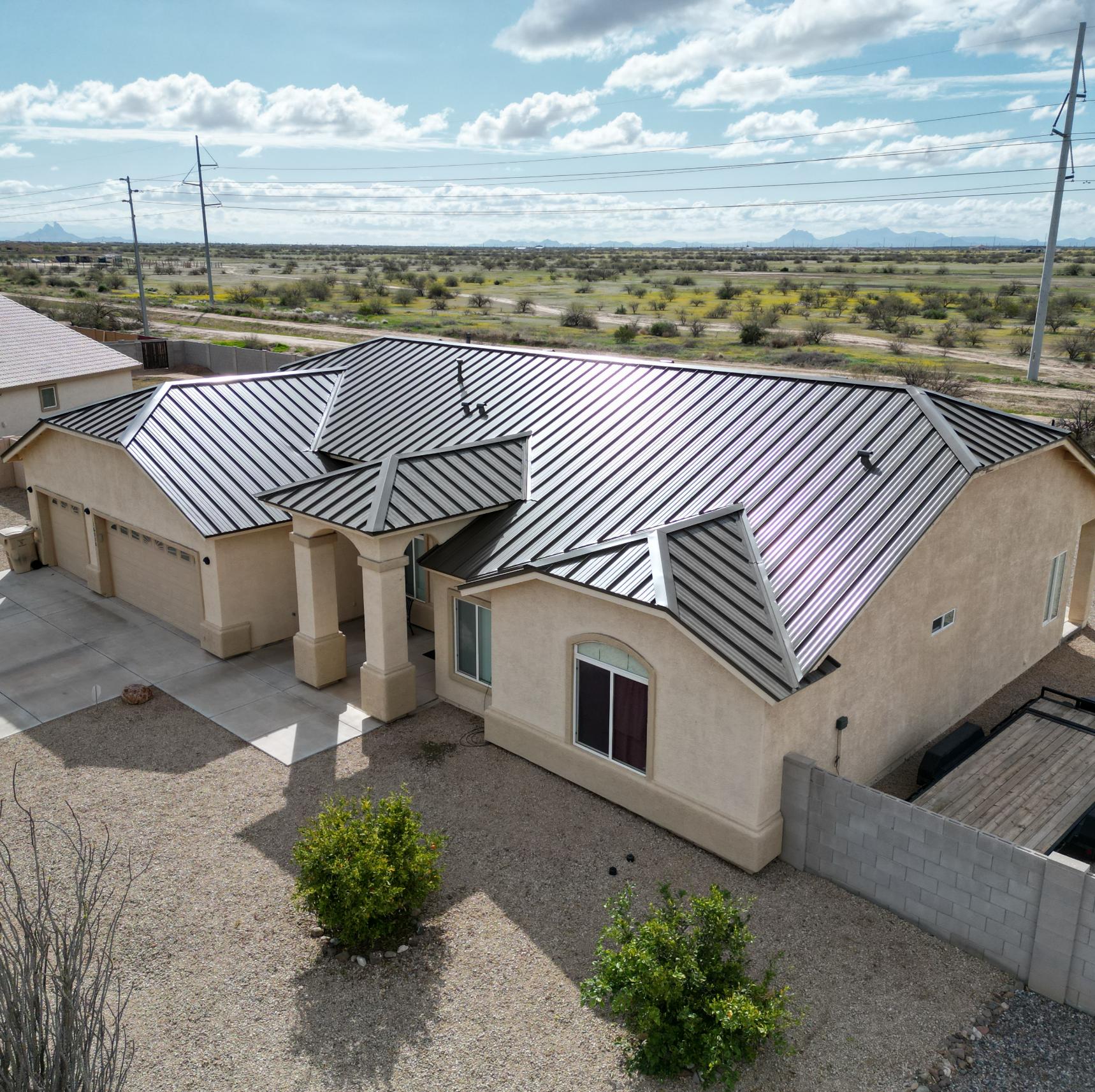
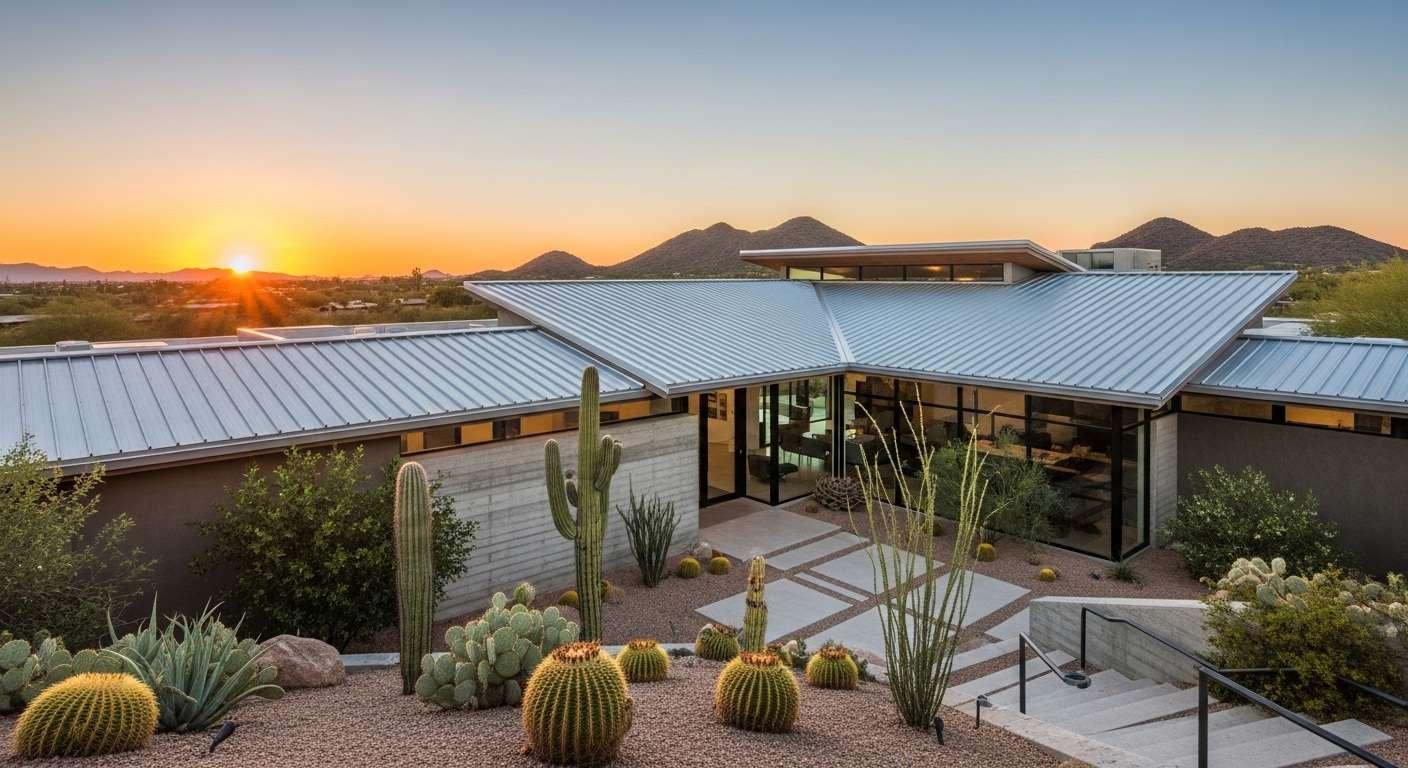
Metal roofing has become an increasingly attractive option for Arizona homeowners seeking longevity and energy performance.
Why Metal Performs Well in Arizona
Metal roofing can provide:
- Excellent durability
- Strong UV resistance
- Long service life
- Low maintenance
- Excellent fire resistance
- Good solar reflectivity
- Resistance to rot and insect damage
Standing-seam metal roofing is particularly attractive for homeowners looking for a modern appearance and long-term performance.
Current Arizona roofing comparisons generally place quality standing-seam metal roofing in the roughly 40–60-year service-life range, although actual longevity depends heavily on the product and installation. Tempe Roofing Repair
Reflective Coatings Matter
Not every metal roof performs identically in extreme heat.
A dark metal surface can absorb considerable solar energy. A properly designed reflective finish can perform much better.
When comparing metal roofs, ask contractors about:
- Solar reflectance
- Thermal emittance
- Coating type
- Roof color
- Manufacturer specifications
This is particularly important when energy efficiency is a major objective.
Disadvantages of Metal Roofing
Metal’s primary disadvantage is usually its upfront cost.
It can also be noisier during heavy rain or hail if the roofing assembly lacks appropriate insulation and underlayment. Proper installation is extremely important because poorly detailed seams and penetrations can create leakage problems.
Cool Asphalt Shingles
Asphalt shingles remain one of the most affordable roofing options for Arizona homeowners.
However, homeowners should be selective about the type of asphalt shingles they install.
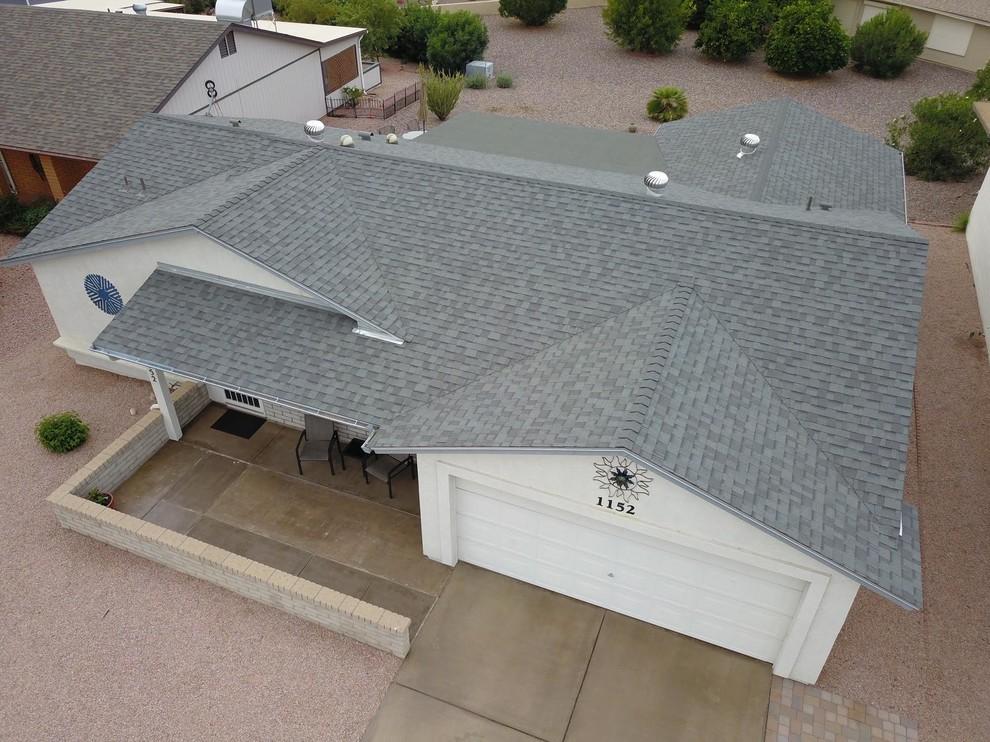
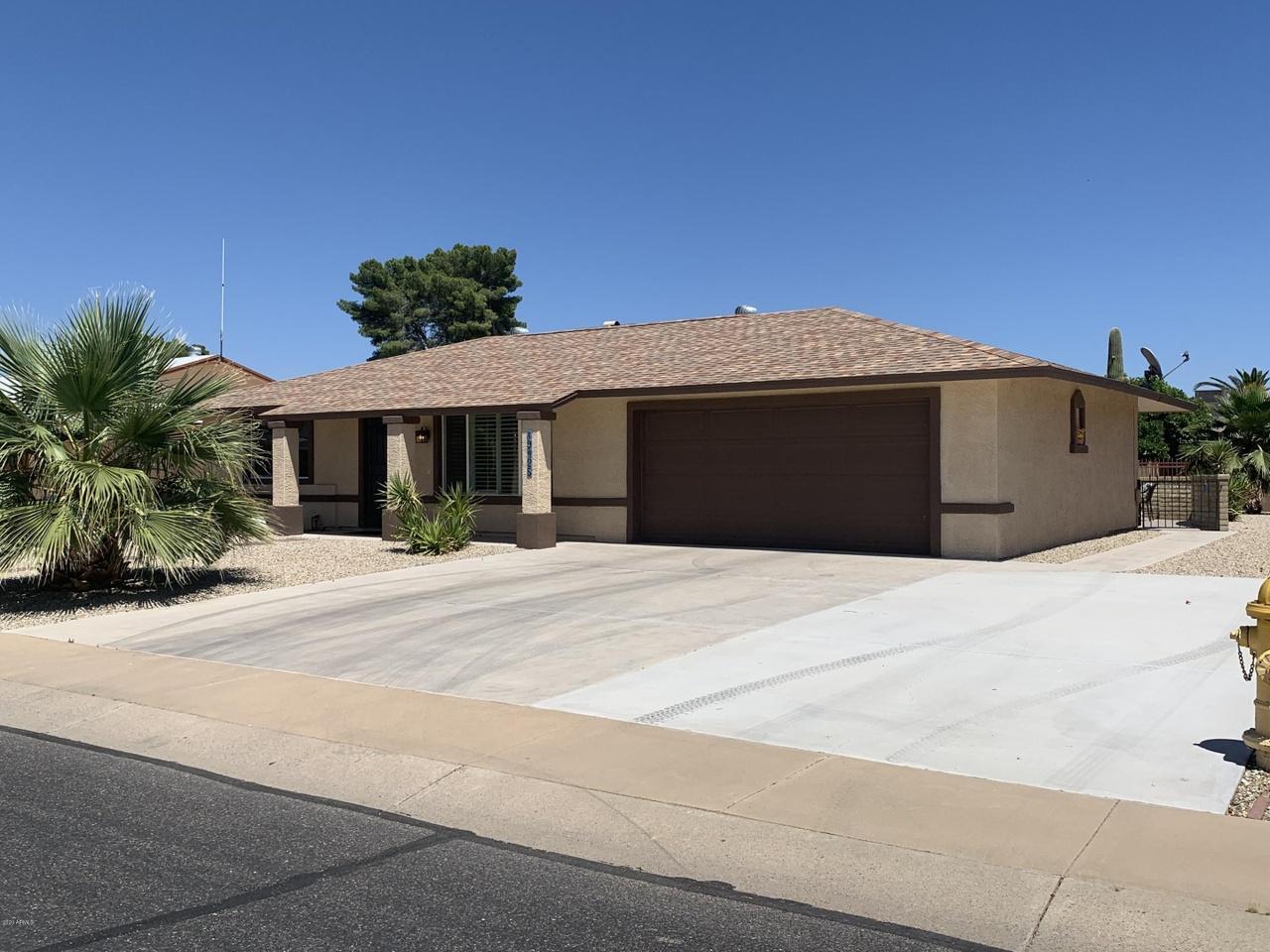
Standard dark shingles can absorb significant solar heat. Modern reflective or cool-colored products can provide better performance in hot climates.
Advantages of Asphalt Shingles
Asphalt shingles offer:
- Lower upfront cost
- Easy installation
- Broad availability
- Many colors and designs
- Easy replacement of individual damaged shingles
- Compatibility with many residential roof designs
Disadvantages
The biggest concern is longevity.
Arizona’s intense UV exposure and heat can shorten the practical life of asphalt shingles compared with their performance in milder climates. Current Arizona roofing sources commonly estimate roughly 15–25 years for asphalt shingles, depending on product quality, installation and exposure. Tempe Roofing Repair
For homeowners choosing asphalt, higher-quality architectural or cool-roof products are generally worth considering.
Spray Foam Roofing
Spray polyurethane foam, commonly called SPF roofing, is particularly useful for flat and low-slope roofs.
Benefits of Spray Foam
SPF roofing can provide:
- Excellent insulation
- Reduced heat transfer
- Seamless waterproofing
- Lightweight construction
- Good energy efficiency
- Adaptability to irregular roof shapes
The surface is normally protected with a reflective coating, which is particularly important in Arizona’s intense sunlight.
Maintenance Requirements
Spray foam isn’t completely maintenance-free.
The protective coating can eventually deteriorate and may need recoating. Regular inspections are therefore important to maintain both waterproofing and reflective performance. Tempe Roofing Repair
TPO and PVC Roofing for Flat Roofs
Flat and low-slope roofs require different roofing solutions from conventional pitched roofs.
Reflective single-ply membranes such as TPO and PVC can be effective because they are available in highly reflective surfaces.
Advantages
- Excellent solar reflectivity
- Lightweight
- Suitable for low-slope roofs
- Relatively low maintenance
- Large continuous membrane surfaces
- Good resistance to weather exposure
For flat roofs, drainage and installation quality are just as important as the membrane itself.
Which Roofing Material Is Best for Arizona Heat?
If the primary concern is overall heat performance and durability, concrete or clay tile and reflective metal roofing are among the strongest choices.
For many pitched residential roofs:
Best overall traditional choice: Concrete or clay tile
Best premium modern choice: Reflective standing-seam metal
Best budget choice: Quality cool-rated asphalt shingles
Best flat-roof option: Spray foam or reflective single-ply membrane
Current Arizona roofing comparisons consistently place tile and metal among the strongest performers for pitched roofs, while foam is particularly suited to flat and low-slope applications. Tempe Roofing Repair
Tile vs. Metal vs. Asphalt in Arizona
| Feature | Tile | Metal | Asphalt |
|---|---|---|---|
| Heat resistance | Excellent | Excellent | Good |
| UV resistance | Excellent | Excellent | Good |
| Typical lifespan | 40–50+ years | 40–60+ years | 15–25 years |
| Initial cost | Medium–High | High | Low–Medium |
| Maintenance | Moderate | Low | Moderate |
| Weight | Heavy | Light–Medium | Light |
| Fire resistance | Excellent | Excellent | Good–Excellent depending on product |
| Energy performance | Excellent | Excellent with reflective finish | Good with cool products |
| Arizona suitability | Excellent | Excellent | Good |
The “best” option depends heavily on the individual property.
Roof Color Matters in Arizona
Homeowners sometimes focus entirely on roofing material and overlook roof color.
A roof’s surface characteristics can significantly influence how much solar energy it absorbs.
Generally, reflective light-colored roofing can help reduce heat absorption compared with a dark surface.
This is especially relevant for:
- Metal roofs
- Asphalt shingles
- Flat membranes
- Coated roofing systems
However, don’t choose a roof based solely on color. Ask the manufacturer or contractor about the product’s actual solar reflectance and thermal-emittance characteristics.
The Importance of Attic Insulation
A high-quality roof does not automatically guarantee a cool home.
The complete roofing assembly matters.
Good attic insulation can reduce the amount of heat transferred from the roof into the living area.
Homeowners should evaluate:
Attic Insulation
Adequate insulation can reduce heat transfer and improve HVAC efficiency.
Attic Ventilation
Proper ventilation can help manage heat buildup within the attic.
Air Sealing
Sealing unwanted air leaks can improve the efficiency of the home’s HVAC system.
Roofing Underlayment
Underlayment is particularly important on tile roofs because the tile itself is not the only component responsible for keeping the building dry.
Arizona Monsoon Weather and Roofing
Arizona’s roofing challenges aren’t limited to heat.
Monsoon storms can produce strong winds, heavy rain and wind-driven moisture.
A properly installed roof should therefore have:
- Quality flashing
- Proper drainage
- Appropriate underlayment
- Secure edge details
- Properly sealed penetrations
- Correctly installed roofing material
Tile roofs should also be inspected after major storms because broken or displaced tiles can create openings for water intrusion.
Best Roofing Materials for Phoenix
Phoenix is one of the most demanding roofing environments in Arizona because of its extreme summer heat and intense solar exposure.
For many Phoenix homes, the leading options are:
- Concrete tile
- Clay tile
- Reflective metal
- Cool-rated asphalt shingles
- Spray foam for flat sections
Tile remains particularly compatible with the architectural styles and construction practices common throughout the Phoenix metropolitan area. Baker Roofing
Best Roofing Materials for Tucson
Tucson has many of the same desert roofing challenges as Phoenix.
Tile remains an excellent option for pitched residential roofs, while reflective metal can be attractive for homeowners seeking a modern, durable alternative.
For flat or low-slope properties, foam and reflective membrane systems can also be considered.
Best Roofing Materials for Scottsdale
Scottsdale homeowners often prioritize both performance and appearance.
Clay or concrete tile can complement Southwestern and luxury-home architecture, while standing-seam metal can provide a more contemporary look.
HOA requirements should always be checked before changing roofing materials or colors.
How Much Does an Arizona Roof Cost?
Roofing costs vary significantly depending on the material, roof size, slope, accessibility, labor, tear-off requirements and structural repairs.
As broad 2026 market ranges, some Arizona roofing sources report approximately:
- Asphalt shingles: $4–$7+ per square foot
- Concrete or clay tile: $8–$14+ per square foot
- Standing-seam metal: $9–$14+ per square foot
- Spray foam: approximately $5–$9 per square foot
These should be treated as general planning ranges rather than quotes. Tempe Roofing Repair
A contractor should inspect the property before providing a final estimate.
How to Choose the Right Roofing Material
Before choosing a material, Arizona homeowners should consider several factors.
Consider Your Roof Slope
Flat roofs require different systems from steeply pitched roofs.
Consider Structural Capacity
If you’re replacing asphalt shingles with concrete or clay tile, determine whether the structure can support the additional weight.
Consider Your Budget
Asphalt generally has the lowest upfront cost, while tile and metal typically require a larger initial investment.
Consider How Long You Will Stay
If you’re planning to stay in the home for decades, a longer-lasting material may make more financial sense.
Consider HOA Rules
Some Arizona communities have strict requirements regarding roofing materials, colors and appearance.
Consider Energy Efficiency
If cooling costs are a major concern, compare reflective properties rather than simply comparing material types.
Consider Installation Quality
A premium roofing material installed incorrectly can perform worse than a mid-range material installed correctly.
How to Extend the Life of an Arizona Roof
Even the best roofing material requires maintenance.
Homeowners can improve roof longevity by:
- Scheduling periodic inspections
- Replacing damaged flashing
- Keeping drainage systems clear
- Replacing cracked or displaced tiles
- Checking sealants
- Maintaining attic ventilation
- Monitoring underlayment condition
- Repairing small problems before they become leaks
- Avoiding unnecessary foot traffic on tile
- Maintaining protective coatings where required
Regular maintenance is particularly important in Arizona because the combination of heat, UV exposure and monsoon storms can accelerate problems.
Final Verdict: What Is the Best Roof for Arizona?
There isn’t one universal answer, but concrete and clay tile are among the best overall choices for traditional pitched Arizona homes. They provide excellent heat resistance, durability and a style that fits many Southwestern properties.
Reflective metal roofing is another outstanding option for homeowners who prioritize long-term durability, low maintenance and modern energy performance.
Cool-rated asphalt shingles are a practical choice when keeping initial costs down is important.
For flat and low-slope roofs, spray polyurethane foam and reflective TPO/PVC systems can offer excellent thermal performance and waterproofing when correctly designed and maintained.
The most important lesson is that the roof should be considered as a complete system. Material, color, reflectivity, insulation, ventilation, underlayment, flashing and installation quality all contribute to performance.
For an Arizona homeowner, the best roof isn’t necessarily the cheapest material or the most expensive one. It’s the system that provides the right balance of heat resistance, durability, energy efficiency, cost and long-term maintenance for the specific property

Seraphina Vale is a passionate content writer and blogger with 3 years of blogging experience, specializing in creating engaging, well-researched, and reader-focused articles. She enjoys breaking down complex topics into clear, practical insights that help readers stay informed and make confident decisions.