I’ll never forget the first kitchen remodel I got involved in. We started with what I thought was a healthy $25,000 budget. By the end, we were pushing $42,000 and I was staring at invoices wondering where it all went. That painful experience taught me one of the most valuable lessons in home improvement: kitchens always cost more than you expect, but with the right planning, you can control the chaos.
In 2026, kitchen remodeling costs have stabilised somewhat after the wild swings of previous years, but they’re still not cheap. This guide breaks down what you should actually expect to spend, where the money goes, smart material choices, and — most importantly — those sneaky hidden expenses that catch most people off guard.
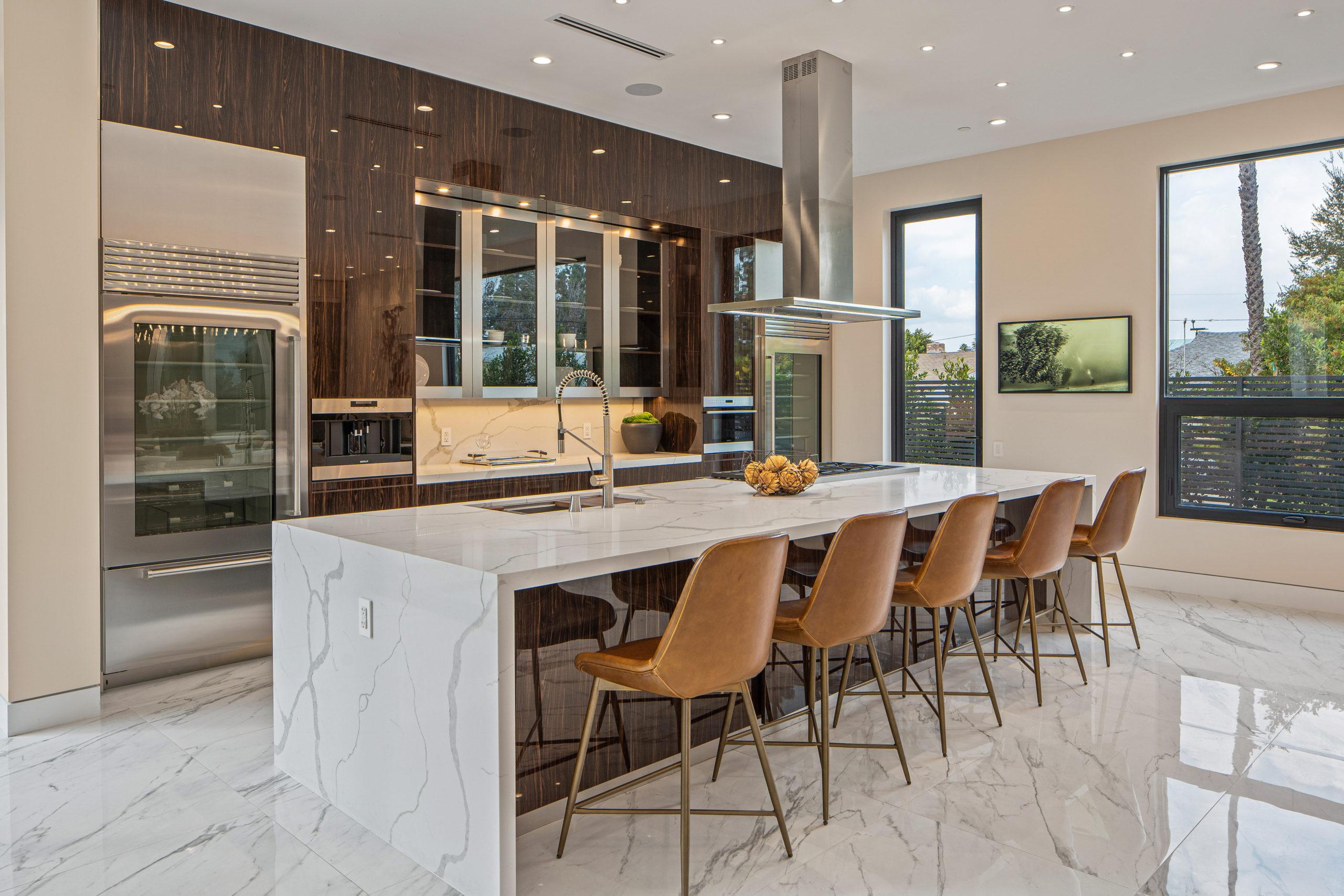
What Does a Kitchen Remodel Really Cost in 2026?
Let’s start with the big picture. In most parts of the U.S. (and similar markets), here’s the current reality:
- Minor refresh (new paint, hardware, backsplash, minor updates): $8,000 – $18,000
- Moderate remodel (new cabinets, counters, appliances, flooring): $25,000 – $45,000
- Major high-end remodel (full custom everything, smart features, structural changes): $50,000 – $120,000+
The national average for a full kitchen remodel sits around $32,000 – $38,000 after everything. But location matters enormously. The same project that costs $30k in the Midwest might run $55k+ in California or New York.
Breaking Down Where Your Money Goes
Cabinets (30–40% of budget)
This is usually the single biggest expense. Stock cabinets can start around $4,000–$8,000 for an average kitchen, while semi-custom or fully custom can easily hit $15,000–$30,000. In 2026, many people are choosing shaker-style cabinets with soft-close hardware as a sweet spot between price and quality.
Countertops (10–15%)
- Laminate: $1,500 – $3,000
- Quartz: $4,000 – $8,000 (still the most popular choice)
- Granite: $4,500 – $9,000
- Marble or high-end materials: $8,000+
Appliances (10–20%)
A basic set (fridge, stove, dishwasher) can be $3,000–$6,000. Moving into stainless steel, smart appliances, or a full suite with double ovens and a high-end range easily pushes this to $10,000–$18,000.
Labor & Installation (25–35%)
Never underestimate this. Good contractors aren’t cheap, and in 2026 they’re still in high demand. Expect to pay premium rates for experienced crews.
Flooring, Lighting, Plumbing & Electrical
These supporting players can quietly add up to another $5,000–$12,000 combined.
Smart Material Choices for 2026
You don’t have to spend luxury money to get a great result. Here’s my honest take:
Countertops: Quartz continues to dominate because it’s durable, low-maintenance, and comes in beautiful patterns that look like natural stone. I generally steer people away from real marble for high-use kitchens unless they’re prepared for the upkeep.
Cabinets: Instead of going fully custom, consider semi-custom or high-quality stock with upgrades (soft-close, better finishes). You’ll save thousands without sacrificing much.
Backsplash: This is one place where you can splurge strategically. Porcelain or ceramic tile gives great bang for the buck. I personally love simple subway tile or larger format tiles that minimize grout lines.
Flooring: Luxury vinyl plank (LVP) has become a favorite for good reason — it looks great, handles water well, and costs much less than hardwood or tile while being more forgiving underfoot.
Paint & Hardware: These are the cheapest ways to dramatically upgrade the look. Fresh paint and quality hardware can make even older cabinets feel new again.
The Hidden Expenses Nobody Talks About
This is where budgets go to die. Watch out for these:
- Permits and inspections: $500 – $2,000 depending on your area
- Plumbing and electrical upgrades: Moving pipes or adding outlets can add $2,000–$6,000 fast
- Structural surprises: Removing a wall or fixing subfloor issues
- Disposal and demo fees: Hauling away old cabinets and appliances
- Temporary kitchen setup: Eating out or buying a mini-fridge/microwave setup during construction
- Design fees: If you hire an architect or designer (often 8–15% of project cost)
- Price increases during project: Material costs can still fluctuate
- Finishing touches: Outlets, switches, trim, caulking, and final painting
I always tell people to add at least 15–20% contingency to their budget. If your contractor says everything is included, ask for it in writing.
Budget Planning Tips That Actually Work
- Decide your priorities upfront. What matters most — storage, looks, cooking efficiency, or resale value?
- Get at least 3 detailed bids from reputable contractors. Compare apples to apples.
- Phase the project if needed. Do cabinets and counters now, appliances later.
- Shop sales on appliances and fixtures — timing matters.
- Consider your ROI. According to recent data, a well-done kitchen remodel typically recoups 60–80% of costs upon sale, though this varies by market.
Ways to Save Money Without Sacrificing Quality
- Keep the existing layout to avoid expensive plumbing and electrical moves
- Reface or refinish cabinets instead of full replacement
- Choose quartz over exotic stone
- Buy floor models or last-year’s appliances
- Handle some demolition or painting yourself (if you’re handy)
- Shop online for lighting and hardware
Final Thoughts
Remodeling a kitchen is one of the bigger financial decisions you’ll make for your home, but it’s also one that can dramatically improve daily life. The key isn’t having an unlimited budget — it’s knowing where to spend and where to save.
Take your time planning. Visit showrooms, talk to recent clients of contractors you’re considering, and be brutally honest about your real needs versus wants. A kitchen that fits your lifestyle and budget will bring you joy for years, while one that spirals out of control will just bring stress.
If you’re starting your own kitchen remodel journey in 2026, I’d love to hear where you are in the process. Are you doing a full gut renovation, a cosmetic refresh, or just gathering ideas? What’s your biggest worry — the budget, finding good contractors, or choosing materials? Drop your questions below and I’ll try to give you practical advice based on what actually works.

Karl Hunter is a professional writer, researcher, and digital content strategist dedicated to producing well-researched, engaging, and informative content. With a passion for simplifying complex topics, Karl specializes in creating articles that help readers make informed decisions across business, finance, technology, education, and nonprofit initiatives.